TL;DR
- Start with a few quick checks: the thermostat setting, a tripped breaker, a clogged air filter, and the outdoor unit. These bring back a surprising number of units that seem dead.
- If those do not help, or you notice a burning smell, a breaker that keeps tripping, or the house heating up fast, treat that as a reason to call for service rather than wait it out.
- While you wait, close the blinds, run fans, and drink water. AirCare offers 24/7 emergency AC service across the Tri-Cities, so help is available even during a bad heat stretch.
When your AC stops working in the middle of a heat wave, the house warms up quickly and it is easy to feel a little panic. The reassuring part is that a stopped system does not always point to a major repair. Often it comes down to something small you can spot in a few minutes.
This guide covers what to look at first, how to tell a simple fix from a real problem, and how to stay comfortable while you sort it out. It also explains when a breakdown crosses into emergency territory, so you know when it is fine to wait and when it is not.
AirCare Heating & Cooling is a locally owned team that handles these calls across the Tri-Cities all summer long. Whether you fix it yourself in a few minutes or need a technician at the door, there is a clear path forward either way.
Why Your AC Quits in a Heat Wave, and What to Check First
When temperatures sit above 100 degrees for days, your AC runs for hours with almost no break. That constant load is what turns a small, aging weakness into a full stop. A worn part that limped along in June often gives out during the first real heat stretch, which is why breakdowns cluster on the hottest days of the year instead of spreading out evenly.
A few of those failures you can rule out yourself in about two minutes before anyone comes out:
- Thermostat: Set it to “cool,” a few degrees below room temperature, and replace the batteries if the screen is blank.
- Breaker: Look in your electrical panel for a tripped switch and reset it once. If it trips again right away, stop and treat it as an electrical problem.
- Air filter: If it looks gray and packed with dust, swap in a clean one and give the system time to recover.
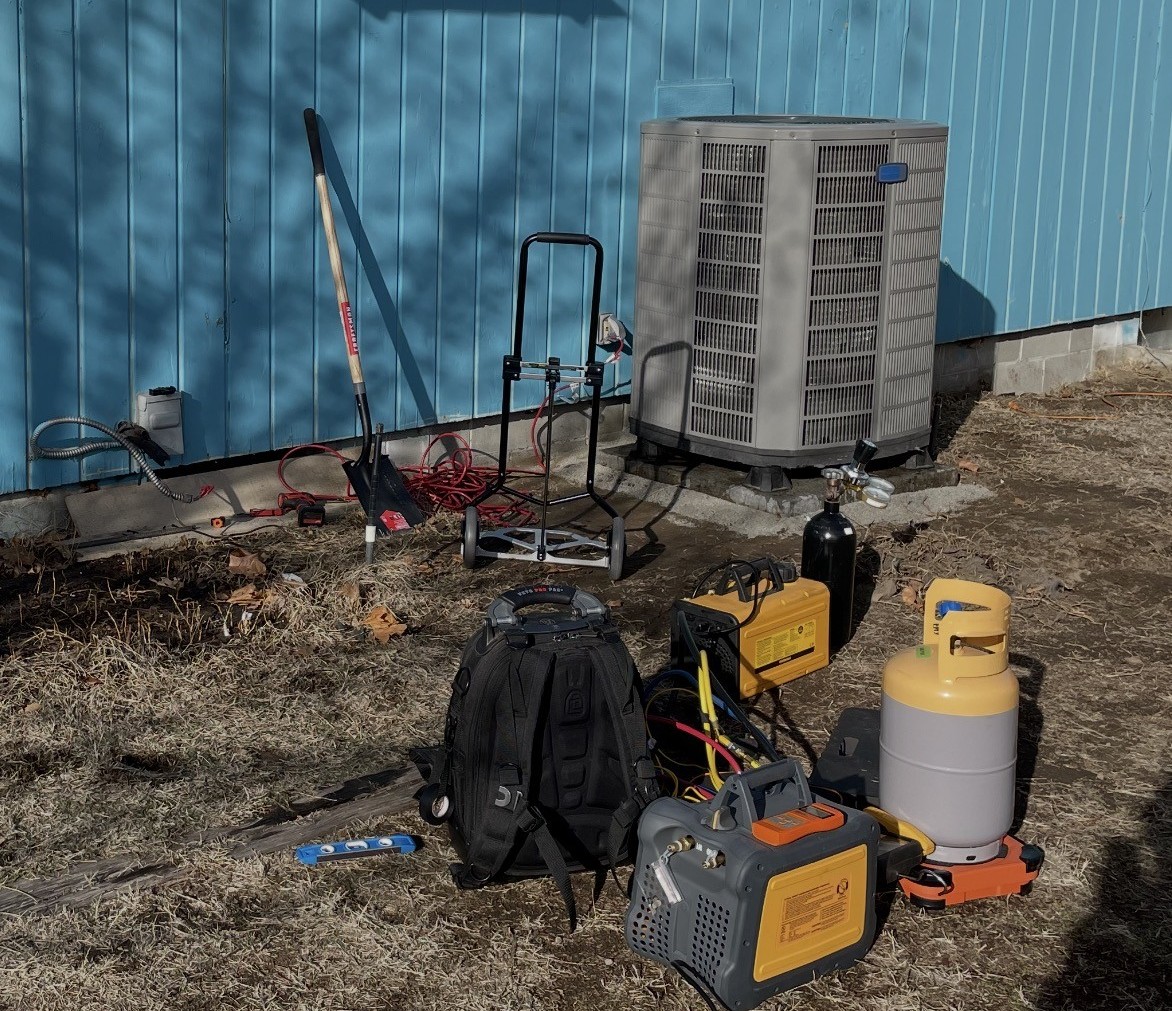
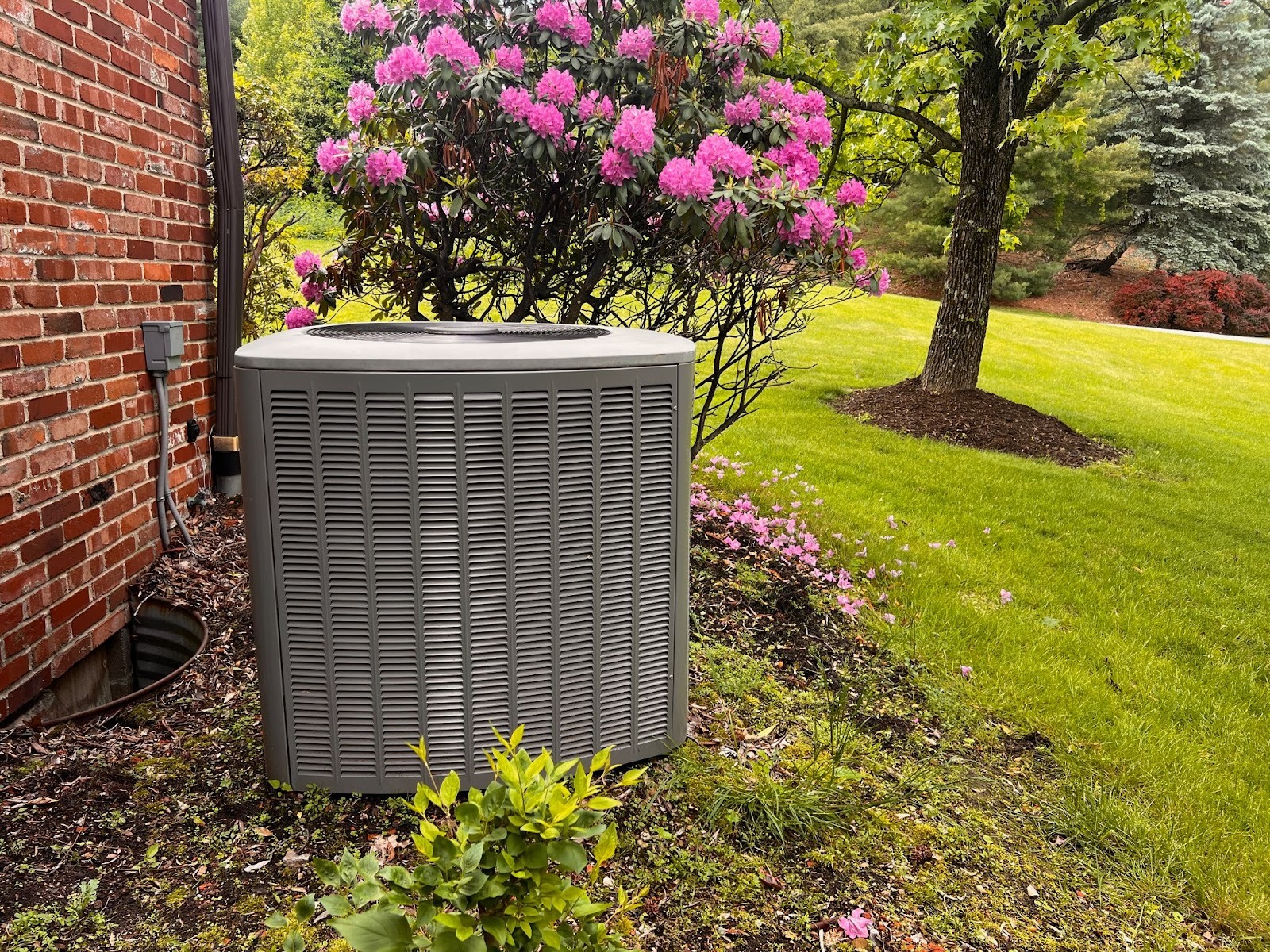
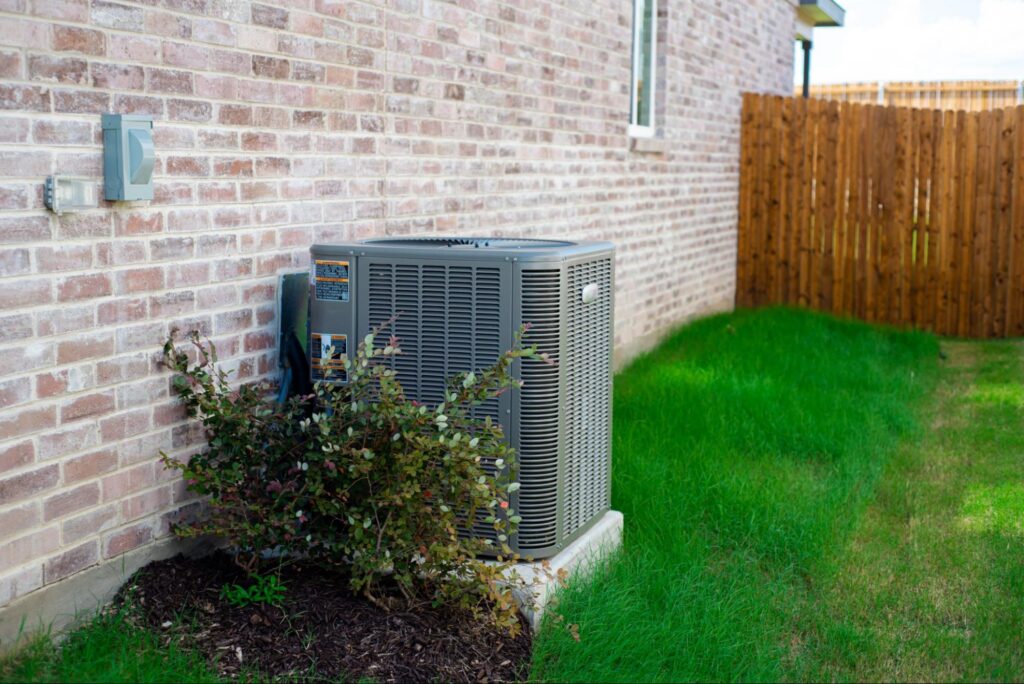
- Outdoor unit: The condenser outside sheds your home’s heat, and in our dry, dusty climate it collects dust, grass, and debris that trap that heat, so clear a couple of feet around it.
If one of these is the culprit, you are likely back up and running, and keeping up with the filter and a preseason checkup will cut the odds of a repeat. If you have checked all four and the system still blows warm or will not start, the failure is probably inside the system, like a capacitor, the compressor, or low refrigerant, and those are not homeowner fixes. That is the moment to call.
When an AC That Stops Working in a Heat Wave Becomes an Emergency
Not every breakdown is an emergency. If your home is holding a reasonable temperature, the forecast is set to ease, and no one inside is at real risk, it is usually fine to book a repair for the next available visit instead of paying for after-hours service. A warm evening with fans running is uncomfortable, but it is not the same as a dangerous situation, and knowing the difference saves you money and stress.
A few signs mean you should not wait:
- The system is fully down and the house keeps heating up
With no cooling at all during extreme heat, indoor temperatures can climb to unsafe levels within hours. - You smell burning or something electrical
Turn the system off at the thermostat and the breaker, then call, since this points to a component or wiring problem that can get worse fast. - The breaker trips again after one reset
Repeated tripping is an electrical fault, not a fluke, and running the system further risks damage. - Someone inside is heat-vulnerable
Infants, older adults, and anyone with a heart or respiratory condition change the urgency right away, even when the temperature seems only moderately high.
Extreme heat also raises a health risk worth taking seriously. It helps to know the difference between the two stages. Heat exhaustion shows up as heavy sweating, weakness, and nausea, and it usually improves with rest, water, and a cooler space. Heat stroke is more serious, with confusion, hot skin, a rapid pulse, and a body temperature of 104 degrees or higher, and it is a medical emergency that calls for 911 right away. The CDC’s guidance on the warning signs of heat-related illness is a useful reference. If someone is struggling and cooling them down is not working, do not wait on the AC to make that call.
If any of this matches what you are seeing, you do not have to sort it out alone. AirCare’s 24/7 emergency AC service is available around the clock through Tri-Cities heat waves, and a technician can talk through what is happening and get someone out.
How to Stay Cool While You Wait for Help
Once you have made the call, a few simple steps make the wait more bearable and keep your home from heating up faster than it has to.
Block the Sun
Close blinds and curtains on any window taking direct light, especially on the south and west sides. A surprising amount of a room’s heat comes straight through the glass, so shutting it out slows the climb more than most people expect.
Get the Air Moving
Fans do not lower the actual temperature, but moving air helps your body shed heat, so a room feels several degrees cooler. Set one up where everyone is gathered, and if the outside air cools off in the evening, open windows on opposite sides of the house to pull a cross-breeze through and flush out the day’s heat.
Stop Adding Heat
Hold off on the oven, the dryer, and anything else that warms the house. Rather than fighting to cool every room, pick one, close it off, run a fan in it, and let it be the spot everyone rides out the worst of the afternoon.
Look After People First
Drink water steadily instead of waiting until you feel thirsty, and go easy on anything that dehydrates you. Cool, damp cloths on the wrists, neck, and forehead bring body temperature down quickly. Keep a closer eye on children, older adults, and anyone with health concerns, since they feel the heat sooner and harder than everyone else.
How fast can AirCare come out during a heat wave?
Call anytime and we can get a technician on the way. AirCare offers 24/7 emergency AC service across the Tri-Cities, so you are not stuck waiting for business hours when it is hot. Exact timing depends on how many calls are active, but someone will talk through the problem with you right away.
Is it normal for my AC to struggle when it is over 100 degrees outside?
In most cases, yes. A typical AC cools a home to about 15 to 20 degrees below the outdoor temperature, so on a 105 degree afternoon, indoor readings in the low 80s can be the realistic limit. Struggling to reach a low setting is not the same as a breakdown, though it is worth watching.
Should I turn my AC off if it is running but blowing warm air?
Yes. If the system runs but only pushes warm air, shutting it off protects it while you check the basics or wait for service. Warm air often points to restricted airflow, a frozen coil, or low refrigerant, and pushing the system harder in the heat tends to make those problems worse.
Why is there ice on my AC when it is hot outside?
Ice usually means airflow is restricted or refrigerant is low, which lets the coil get cold enough to freeze even on a hot day. Turn the system off and let it thaw fully, which can take a few hours. If it freezes again afterward, it needs a professional to find the cause.
How can I keep my AC from breaking down next summer?
The most reliable step is a yearly tune-up scheduled before demand spikes. A technician checks the parts most likely to fail under heavy load, so small issues get caught early instead of turning into a July emergency. Staying on top of filter changes helps the system run more smoothly too.
Heat Wave AC Breakdown FAQs
How fast can AirCare come out during a heat wave?
Call anytime and we can get a technician on the way. AirCare offers 24/7 emergency AC service across the Tri-Cities, so you are not stuck waiting for business hours when it is hot. Exact timing depends on how many calls are active, but someone will talk through the problem with you right away.
Is it normal for my AC to struggle when it is over 100 degrees outside?
In most cases, yes. A typical AC cools a home to about 15 to 20 degrees below the outdoor temperature, so on a 105 degree afternoon, indoor readings in the low 80s can be the realistic limit. Struggling to reach a low setting is not the same as a breakdown, though it is worth watching.
Should I turn my AC off if it is running but blowing warm air?
Yes. If the system runs but only pushes warm air, shutting it off protects it while you check the basics or wait for service. Warm air often points to restricted airflow, a frozen coil, or low refrigerant, and pushing the system harder in the heat tends to make those problems worse.
Why is there ice on my AC when it is hot outside?
Ice usually means airflow is restricted or refrigerant is low, which lets the coil get cold enough to freeze even on a hot day. Turn the system off and let it thaw fully, which can take a few hours. If it freezes again afterward, it needs a professional to find the cause.
How can I keep my AC from breaking down next summer?
The most reliable step is a yearly tune-up scheduled before demand spikes. A technician checks the parts most likely to fail under heavy load, so small issues get caught early instead of turning into a July emergency. Staying on top of filter changes helps the system run more smoothly too.
Getting Your Home Back to Comfortable
A stopped AC in the middle of a heat wave feels urgent, but most situations come down to a quick check or a repair a professional can handle the same day. Knowing which signs mean wait and which mean call takes much of the stress out of the moment, and it keeps you from paying for emergency service you did not actually need.
If you have worked through the basics and your system still will not cool, or anything about the situation feels unsafe, that is the time to bring in a professional. AirCare is ready to help across the Tri-Cities, day or night. Reach out through our contact page and we will get your home back to comfortable.