TL;DR
- Central AC cools your whole home through existing ductwork and usually costs less upfront when those ducts are in good shape.
- A ductless mini split needs no ductwork, cools room by room, costs more per zone to install, and most units also heat in winter.
- Ductless is the stronger fit for homes without ducts, room additions, garage conversions, or one room that never gets comfortable.
- Many Tri-Cities homes use both: central air for the main living space, a mini split for the room it cannot reach.
Tri-Cities summers run hot. Highs sit in the 90s for weeks at a stretch, and a typical year brings about a dozen days at 100°F or higher. That is when homeowners start noticing the bedroom that never cools down, the system that runs all afternoon without catching up, or the addition no vent ever reached. Whether you are replacing an aging air conditioner, finishing a new room, or moving into a home built without ductwork, the same question comes up: ductless vs central air conditioning, and which one actually fits?
Both systems cool a Richland home well. They just work differently, cost differently, and suit different houses. AirCare Heating & Cooling walks through ductless mini split vs central AC in plain terms, including what each one costs to install, how they compare on efficiency, and how to tell which option fits your home, your budget, and the way you use your space.
What is a Central Air Conditioning System?
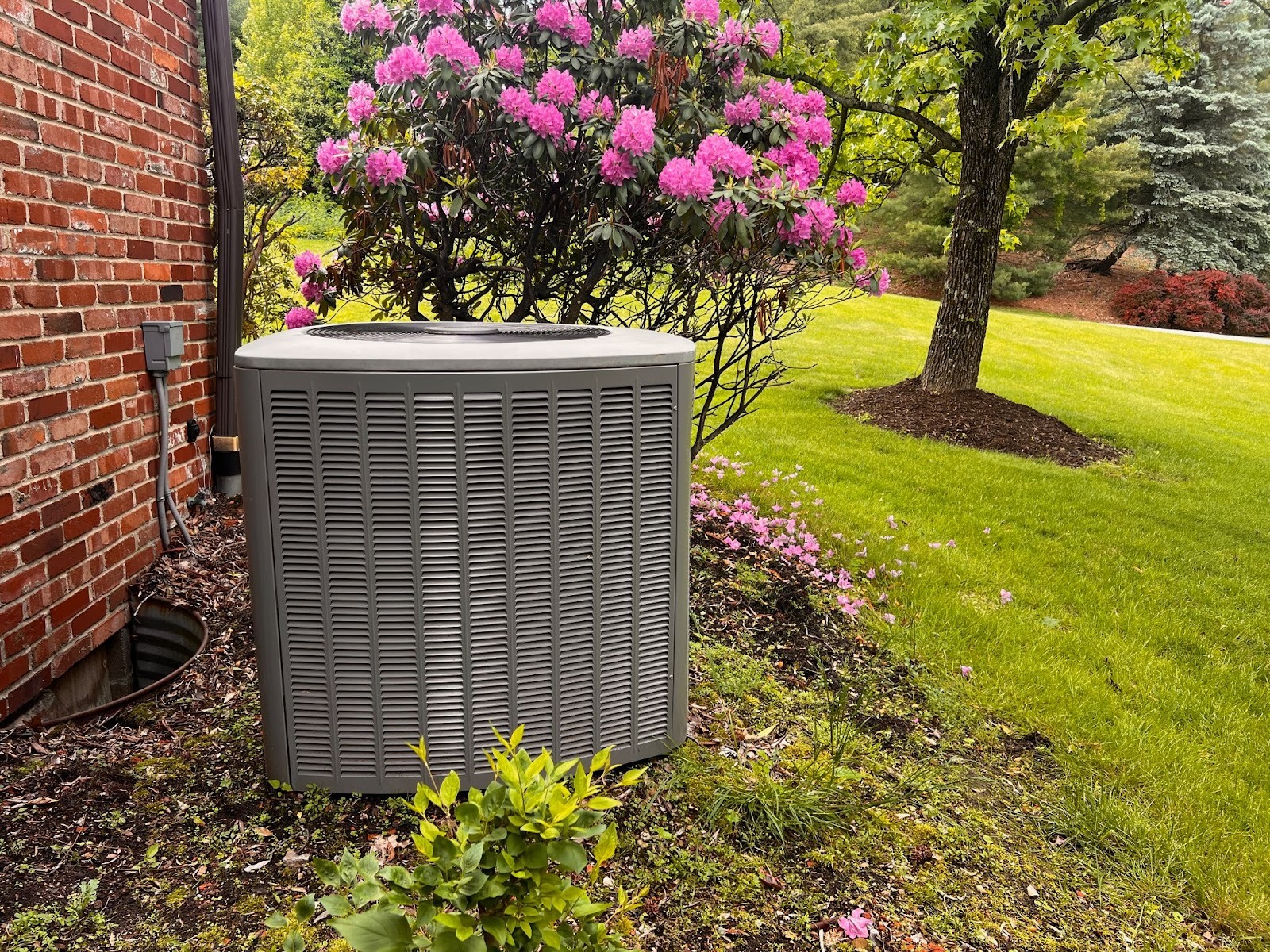
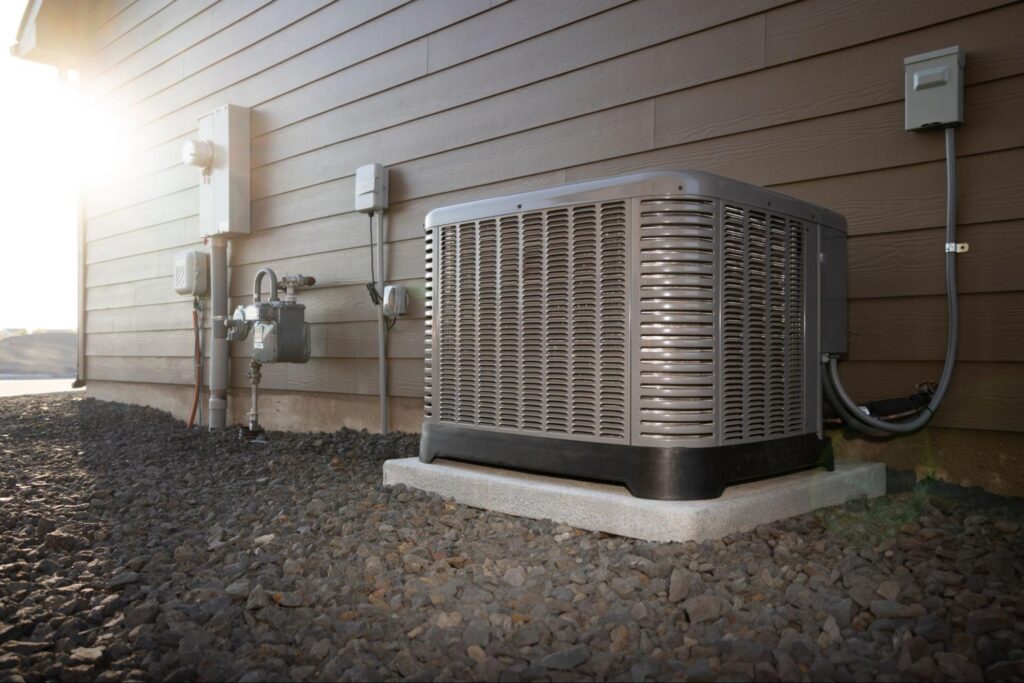
Central air conditioning cools your entire home through a network of ducts running through the ceilings, walls, and floors. An outdoor condenser handles the cooling, an indoor air handler pushes conditioned air through the duct system, and a single thermostat sets the temperature for the whole house.
Pros of Central Air Conditioning
Central air is the default in most homes built with ductwork, and for good reason:
- Cools every room at once, with even temperatures throughout the house.
- Uses the ductwork already in place, which keeps installation straightforward and holds the cost down.
- Runs off one thermostat, so there is nothing to manage room by room.
- Handles larger homes well, where the goal is consistent comfort in every space.
- Stays mostly out of sight. The only visible parts inside your home are the vents.
For homes with sound ductwork and a layout the ducts already serve well, that combination is hard to beat.
Cons of Central Air Conditioning
The trade-offs show up in homes where the ductwork is missing, aging, or does not reach everywhere it needs to:
- Central AC only works if functional ductwork is already there. Adding new ducts is a costly, invasive project that can take weeks and often means opening up walls and ceilings.
- Leaky or aging ducts waste cooling before it ever reaches the room. The EPA estimates that about 20 to 30 percent of the air moving through a typical home’s duct system is lost to leaks, holes, and poor connections.
- One thermostat means one temperature for the whole house. If your upstairs bedroom runs warm, your only option is to overcool the rest of the home to fix it.
- Room additions, finished basements, and converted garages fall outside the existing duct network, so extending cooling to them is rarely simple.
None of that rules out central air. It just means the condition of your ductwork does more to decide the cost and the outcome than the equipment itself does.
What is a Ductless Mini Split System?
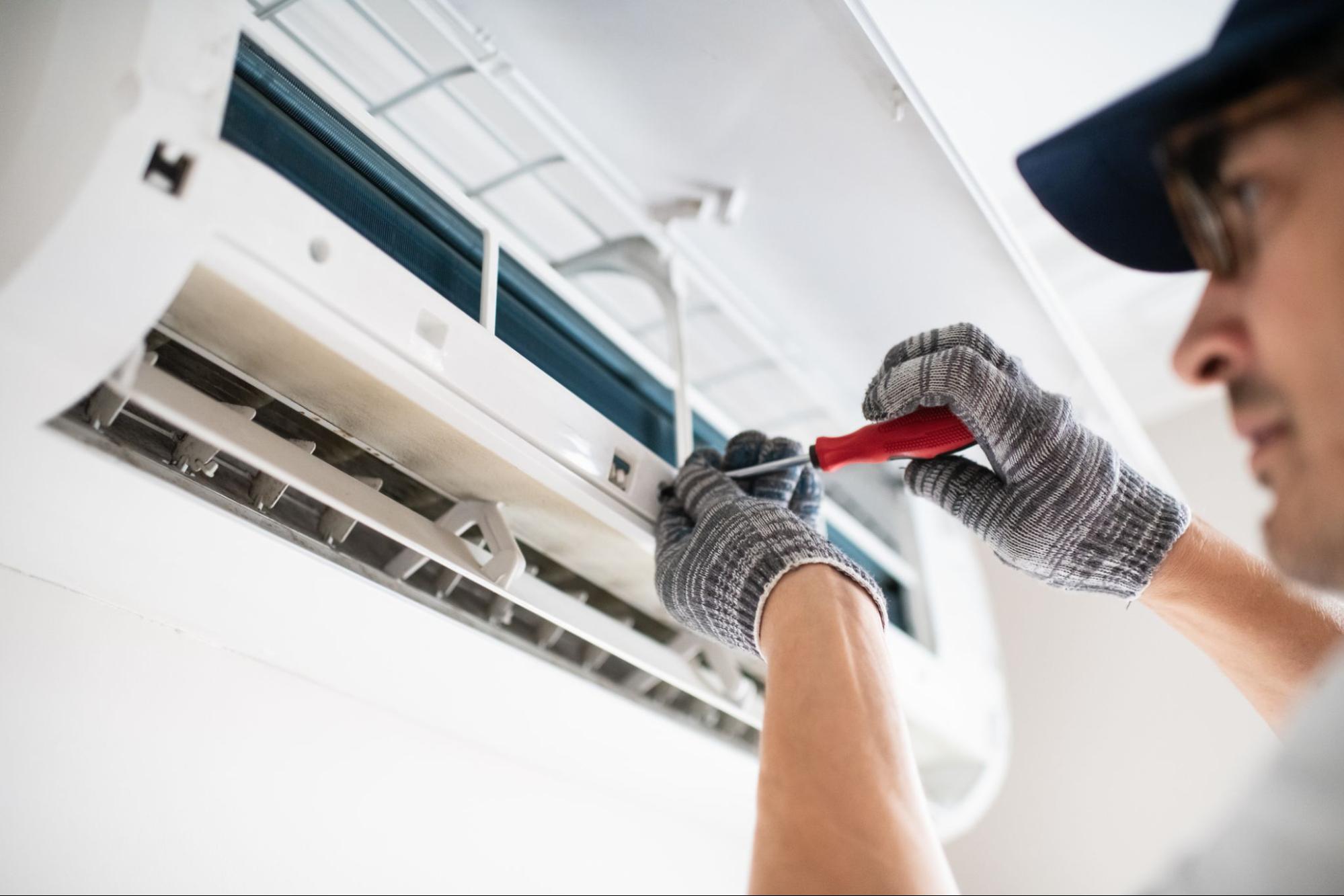
A ductless mini split system uses a small outdoor compressor connected to one or more wall-mounted indoor units to cool each room directly. There is no duct network involved. Each indoor unit conditions the space it is mounted in, and most systems also work as heat pumps, so the same equipment heats and cools from one outdoor unit.
Pros of a Ductless Mini-Split
Ductless systems solve a specific set of problems that central air struggles with:
- Cools individual rooms and living spaces with no ductwork required at all.
- Gives each room its own temperature setting, so the bedroom that always runs warm gets treated differently than the living room.
- Delivers air straight into the room instead of pushing it through ducts, which removes the duct losses that drag down a central system’s efficiency.
- Fits room additions, finished basements, converted garages, and older homes that were never built with ducts.
- Runs quietly indoors. The wall units are noticeably quieter than a central system’s air handler, though the outdoor compressor still makes some noise.
- Doubles as a heat pump, which means one system handles both seasons instead of two.
That last point matters more than it sounds. A mini split is often replacing a window unit and a space heater at the same time.
Cons of a Ductless Mini-Split
The trade-offs are real, and they are mostly about cost and appearance:
- Costs more upfront per room than adding central air to a home that already has good ductwork.
- Cooling a whole house means multiple indoor units, and each one adds to the total.
- The indoor units mount on the wall and stay visible. There is no hiding them the way a vent disappears into a ceiling.
- Rarely the cheaper choice for a home with intact, well-sealed ductwork already in place. In that case, central air usually wins on cost.
For homes that already have solid ductwork, a mini split is often the wrong tool. For homes without it, the math flips fast.
Ductless vs. Central Air: A Side-by-Side Comparison
The right choice comes down to your home’s layout, your comfort goals, your budget, and what you plan to do with the space over the next several years. Here is how the two systems compare on the factors that actually change the decision.
| Factor | Central Air | Ductless Mini Split |
|---|---|---|
| Ductwork required | Yes. Central AC requires an existing duct network to operate. | None. The outdoor condenser and wall-mounted units connect through a small opening in an exterior wall. |
| Upfront installation cost | Roughly $3,500 to $9,500 installed when the existing ductwork is sound. Adding or replacing ducts can push a project past $15,000. | Roughly $2,000 to $6,000 for a single-zone system. Whole-home multi-zone setups typically run $6,500 to $15,000 or more, depending on the number of indoor units. |
| Energy efficiency | Moderate. Even a well-maintained duct system loses conditioned air on the way to the room, and aging or poorly sealed ducts lose considerably more. | High. Air is delivered straight into the room with no duct travel, which eliminates that loss entirely and usually shows up on the monthly power bill. |
| Whole-home coverage | Yes. One system conditions the entire house through the duct network, which keeps temperatures consistent from room to room. | Not from a single unit. Each indoor head conditions only the room it is mounted in, so whole-home coverage means multiple units on one outdoor compressor. |
| Room additions and converted spaces | Limited. Reaching a new room or converted garage means extending ductwork, which is often the most expensive part of the project. | Well suited. A single indoor unit can serve a new or converted space without touching the rest of your HVAC system. |
| Temperature control | One thermostat sets one temperature for the whole house. There is no way to run the bedrooms cooler than the living room. | Per-room control. Each indoor unit runs independently, so different areas of the home can hold different temperatures. |
| Heating | Cooling only. Heat comes from a separate furnace or heat pump. | Most systems reverse to work as heat pumps, so one system covers both seasons. |
| Installation timeline | Typically one to two days with existing ductwork. Adding new ducts can extend the project to a week or more. | About a day for a single zone. Multi-zone systems with several indoor units usually take one to two days. |
Cost is the row most homeowners jump to, and it is also the one that shifts the most from house to house. The condition of your existing ductwork moves a central air quote by thousands of dollars, and the number of rooms you want conditioned does the same thing to a ductless quote. An in-home assessment is what turns these ranges into an actual number.
Which Cooling System Is a Better Fit for Your Home?
Housing stock in the Tri-Cities runs the full range. Plenty of the older homes in established Richland neighborhoods, including the WWII-era Alphabet Houses built for Hanford workers, went up long before central ductwork was standard. Newer construction in West Richland, Kennewick, and Pasco usually has ducts in place from day one. That difference does more to decide the right system than any spec sheet does.
Central air makes sense for your home when:
- Your ductwork is already in place, sealed, and in good working order.
- You want consistent cooling across the whole house from a single thermostat.
- You are replacing an existing central system and the ducts are still sound.
- Your budget favors a lower upfront cost over room-by-room flexibility.
If your home checks most of those boxes, central air is usually the cheaper and simpler path. The picture changes when ductwork is missing or failing.
A ductless mini split is the better fit when:
- Your home has no ductwork, or the ducts you have are in poor condition.
- You are adding a room, finishing a basement, or converting a garage.
- You want to cool the rooms you use without paying to condition the ones you do not.
- One or two rooms run noticeably warmer than the rest of the house.
Plenty of homeowners end up with both. Central air handles the main living area, and a ductless unit covers the bonus room over the garage or the addition the ducts never reached. That combination is common in homes that have been added onto over the years, and it is often cheaper than extending ductwork into a space that was never designed for it.
Why a Local HVAC Professional Makes the Difference
Picking between ductless and central air is less about preference than about what your home can actually support. That means someone walking the house: checking whether ductwork exists and what shape it is in, looking at how the rooms are laid out, and asking what you plan to do with the space over the next several years. A finished basement two summers from now changes the answer today.
Sizing is where this matters most, and it is the step most often rushed. A system that is too small never keeps up in July. One that is too large is worse in a different way: it cools the air fast, shuts off before it pulls out any humidity, and short cycles its way through a shortened lifespan. Getting that right takes a load calculation based on your home’s square footage, insulation, windows, and layout, not a guess based on the size of the old unit.
The other piece is what happens after the install. A technician who put the system in knows how it was configured, where the line sets run, and what the home’s quirks are. That history shortens every service call that follows, from a seasonal tune-up to a call on the hottest day of the year.
AirCare Heating & Cooling handles both central AC installation and ductless mini split installation throughout Richland and the Tri-Cities. Whether you are looking at a full system replacement or adding cooling to one room that has never been comfortable, our team can walk your home and give you a straight recommendation.
Ductless Mini Split Installation in Richland: What to Expect
Ductless installation is one of the least disruptive HVAC projects a homeowner can take on. With no ducts to run, the work centers on a small opening through an exterior wall that carries the refrigerant line, the condensate drain, and the electrical connection between the indoor unit and the outdoor condenser. No walls come down and no ceilings get opened up.
Here is how a typical install goes:
- Sizing and layout. Your technician calculates the capacity each room needs and decides where the indoor units and outdoor condenser should sit for the best airflow and the cleanest line routing.
- Mounting the indoor unit. The wall unit goes up at the right height for the room, high enough for good air distribution and positioned so it is not blowing directly at a bed or a seating area.
- Setting the outdoor condenser. The condenser is placed on a pad or wall bracket outside, with enough clearance around it for airflow and future service access.
- Running the line set. The refrigerant lines, drain, and wiring run through the wall opening and connect the two units. Done well, this is barely noticeable from the outside.
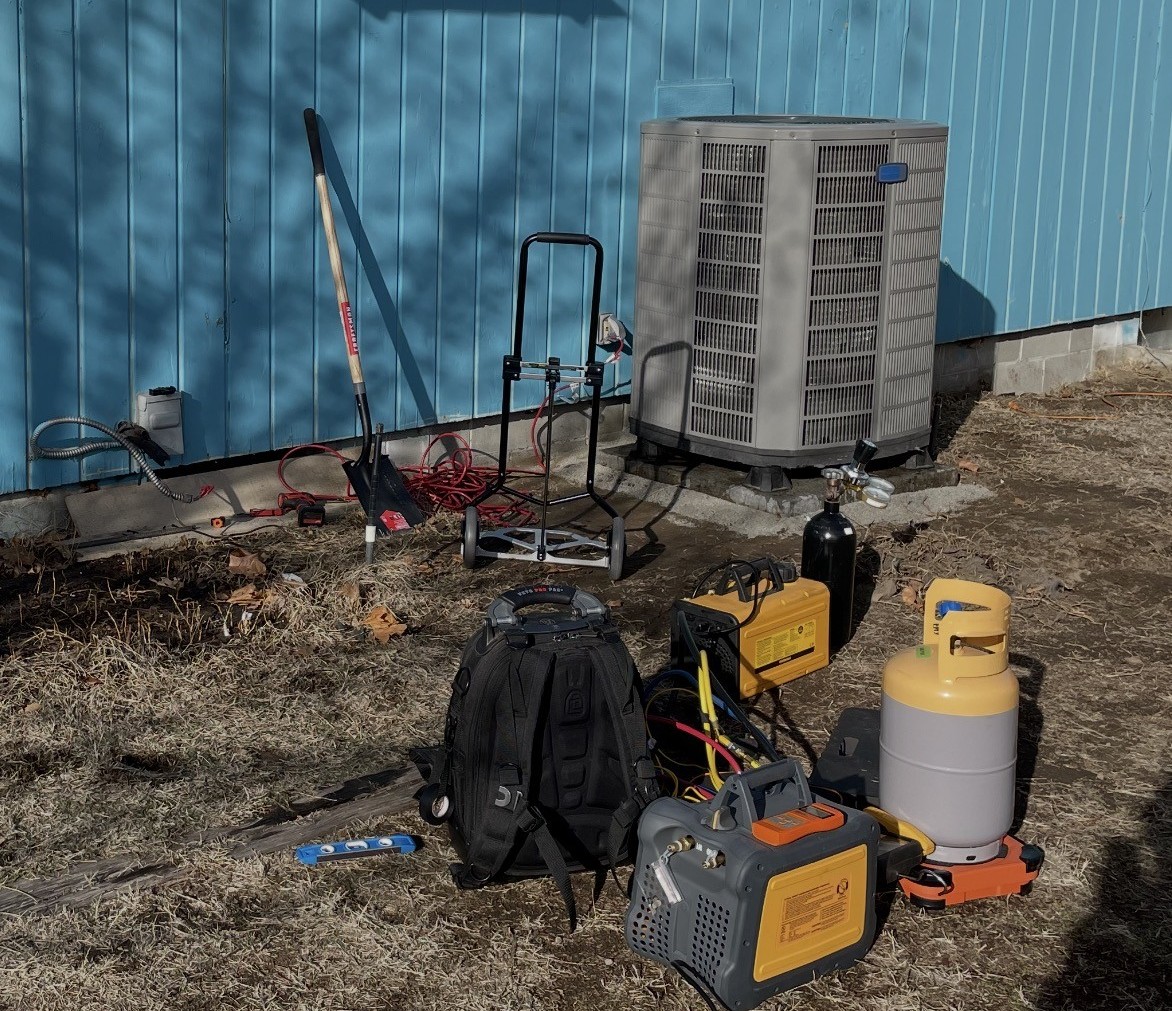
- Charging and testing. The system is vacuumed, charged, and run through a full cycle so the technician can confirm it holds temperature and drains properly before the crew leaves.
A single-zone install usually wraps up in about a day. Multi-zone systems with several indoor units generally take one to two days, depending on how far apart the rooms are and how the line sets have to run.
AirCare Heating & Cooling handles ductless mini split installation across Richland and the Tri-Cities, from the first walkthrough to a tested, cleaned-up finish. If you are not sure whether ductless is right for your home or for one specific room, our team can lay out the options and give you a clear recommendation.
Ductless vs. Central Air Conditioning FAQs
Can a ductless mini split heat my home in winter, or is it only for cooling?
Yes. Most ductless systems reverse to work as heat pumps. Cold-climate models are rated to deliver full heating capacity well below freezing, which matters here, since Tri-Cities winter lows sit in the high 20s and drop lower during cold snaps. Standard models lose output in that range, so ask specifically about a cold-climate rated system if you want the mini split carrying your heat.
Which system costs less to run month to month?
Ductless usually wins on operating cost. Air goes straight into the room rather than traveling through ducts, which removes the loss that comes with any duct system. Central air can close much of that gap with well-sealed ducts and a high-efficiency unit, so your monthly savings depend more on the condition of your ductwork than on the equipment itself.
How many indoor units does a ductless system need?
It depends on how many rooms you want conditioned. A single-zone system covers one room. Multi-zone setups connect several indoor units to one outdoor compressor, usually two to five. Many homeowners start with the spaces that have always been hardest to keep comfortable, then add zones later rather than covering every room at once.
Are there rebates available for a ductless heat pump?
Often, yes. Benton PUD offers a rebate on qualifying ductless heat pump installations for electrically heated homes, applied through an approved contractor. The federal 25C tax credit no longer applies to systems placed in service after December 31, 2025. Rebate funding and eligibility change, so confirm current terms before you buy.
How long does ductless mini split installation take?
Ductless systems commonly run 20 years or more with regular maintenance, somewhat longer than a typical central AC at 15 to 20 years. Upkeep differs as well. Mini splits need each indoor unit’s filter cleaned every few months, while central air runs on a single filter plus periodic duct inspection.
Can a ductless mini split heat my home in winter, or is it only for cooling?
Yes. Most ductless systems reverse to work as heat pumps. Cold-climate models are rated to deliver full heating capacity well below freezing, which matters here, since Tri-Cities winter lows sit in the high 20s and drop lower during cold snaps. Standard models lose output in that range, so ask specifically about a cold-climate rated system if you want the mini split carrying your heat.
Which system costs less to run month to month?
Ductless usually wins on operating cost. Air goes straight into the room rather than traveling through ducts, which removes the loss that comes with any duct system. Central air can close much of that gap with well-sealed ducts and a high-efficiency unit, so your monthly savings depend more on the condition of your ductwork than on the equipment itself.
How many indoor units does a ductless system need?
It depends on how many rooms you want conditioned. A single-zone system covers one room. Multi-zone setups connect several indoor units to one outdoor compressor, usually two to five. Many homeowners start with the spaces that have always been hardest to keep comfortable, then add zones later rather than covering every room at once.
Are there rebates available for a ductless heat pump?
Often, yes. Benton PUD offers a rebate on qualifying ductless heat pump installations for electrically heated homes, applied through an approved contractor. The federal 25C tax credit no longer applies to systems placed in service after December 31, 2025. Rebate funding and eligibility change, so confirm current terms before you buy.
How long does ductless mini split installation take?
Ductless systems commonly run 20 years or more with regular maintenance, somewhat longer than a typical central AC at 15 to 20 years. Upkeep differs as well. Mini splits need each indoor unit’s filter cleaned every few months, while central air runs on a single filter plus periodic duct inspection.
Choosing the Right Cooling System for Your Home
The choice between ductless and central air usually comes down to one practical thing: what your home already has. A house with sound ductwork and a layout the ducts serve well is a straightforward central air job. A home without ducts, or with a room the ducts never reached, is where ductless earns its higher upfront cost.
Plenty of homes land somewhere in between, and that is worth sorting out before the first stretch of 100-degree weather rather than during it. A walkthrough answers the questions a spec sheet cannot: what shape the ductwork is in, which rooms are actually the problem, and what each option would realistically cost for your house.
AirCare Heating & Cooling installs and services both systems throughout Richland and the Tri-Cities. Get in touch to talk through your options or schedule a walkthrough.