TL;DR
- In summer, a heat pump and central air cool your home almost the same way. The real difference shows up in winter, and in how much equipment you are replacing.
- A heat pump heats and cools in one system, and today’s models handle Tri-Cities cold far better than older units did. Central air only cools, so it needs a separate furnace, which makes sense if you already heat with gas.
- The right choice comes down to your current setup, your heating source, and your budget. A short walkthrough with an HVAC technician makes the decision clear.
Replacing your home’s heating and cooling system is one of the bigger investments you make as a homeowner, and it is not a decision most people face twice. If you are weighing a heat pump vs central air in the Tri-Cities, both will keep your home cool through summer. The right choice comes down to your comfort needs, your budget, and how you want the system to perform the rest of the year.
The Tri-Cities climate is a big part of that decision. Summers here are hot and dry, and winters turn genuinely cold, so your system has to handle both ends of the range. In summer, the two options perform almost the same. Winter is where they start to separate, and that difference is usually what decides which one fits a home.
AirCare Heating & Cooling breaks down how each system works, how they hold up in the local climate, what they cost upfront and over time, and when one is the clear better fit. The goal is straightforward: give you the information to choose the right system for how you actually live, without the sales pressure.
What’s the Difference Between a Heat Pump and Central Air?
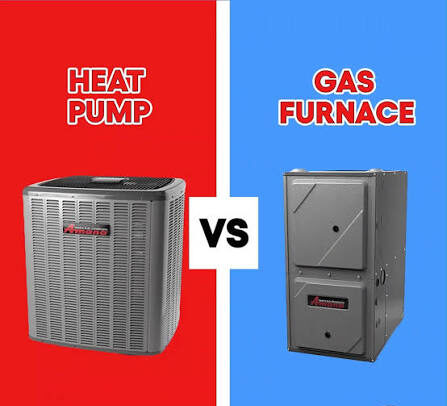
Both systems keep your home cool the same basic way, but they are not built to do the same job. The difference is in what each one can do once summer ends.
How a Heat Pump Works
A heat pump moves heat instead of making it. It runs on a refrigerant cycle and works in both directions. In summer, it pulls heat out of your indoor air and releases it outside, which cools your home. In winter, it reverses and pulls warmth from the outside air to heat your home, even when it is cold out. One system handles both heating and cooling all year.
How Central Air Works
Central air conditioning only cools. It uses the same kind of refrigerant cycle to remove heat from your indoor air and push it outside, but it does not run in reverse. Because it cannot heat, central air pairs with a separate heat source, usually a gas furnace or electric heat strips, to keep you warm through winter.
So the real difference comes down to range. A heat pump is a single system that heats and cools, which often makes sense when you are replacing an aging furnace and air conditioner at the same time. Central air is a cooling-only system that leans on a separate furnace, a strong setup if you already heat with gas and only need the cooling side replaced. Your current equipment usually points you toward one option, and cost and climate settle the rest, which we cover next.
Which Costs Less, a Heat Pump or Central Air?
Because a heat pump replaces both your heating and cooling equipment, it usually costs more upfront than a standalone central air system. That comparison shifts, though, if you are already pricing a new AC and a new furnace separately. Once you add both together, a heat pump often lands in a similar range while covering the whole job with one system.
Over time, a heat pump also tends to be the more cost-efficient choice to run:
- Energy Efficiency: A heat pump moves heat rather than generating it, so it delivers two to four times more heating energy than the electricity it uses. According to the U.S. Department of Energy, that makes it far more efficient than electric resistance heat and competitive with a gas furnace, especially through the milder stretches of a Tri-Cities winter.
- Single-System Savings: With one unit handling both heating and cooling, you have one system to monitor and one maintenance schedule to keep, instead of two.
- Climate Fit: Tri-Cities winters are cold but rarely severe for long, which keeps a heat pump in its efficient range most of the season. Modern cold-climate models hold their heating capacity down to around 5 degrees and keep working below zero, so backup heat only engages during the occasional deep cold snap.
Central air paired with a gas furnace is still a strong option for homeowners who already heat with natural gas. Gas is often cheaper per unit of energy in this region, though a heat pump’s efficiency narrows that gap and clearly beats electric resistance heat. Your existing setup and recent utility bills are worth reviewing with a licensed HVAC technician before deciding between the two.
How Do Heat Pumps and Central Air Perform in Tri-Cities Weather?
The local climate is what really separates these two systems over a full year.
In summer, there is almost no practical difference between them. Temperatures here climb into the 90s through much of the season and pass 100 on about ten days a year, with the occasional longer heat wave, and both systems cool your home the same way. Winter is where their performance splits.
Here is what matters most for a Tri-Cities home:
- Modern heat pumps pull warmth from outside air and cold-climate models hold their heating capacity down to around 5 degrees, continuing to work below zero. Backup electric heat only engages during a rare deep freeze, not on an average winter night.
- Kennewick, Richland, and Pasco regularly see overnight lows in the low-to-mid 20s during cold snaps. That is well within a modern heat pump’s efficient range, so it carries most of the winter on its own.
- A central air system paired with a gas furnace delivers steadier heat through a prolonged hard freeze, which can be the better fit if your winters tend to run colder or longer than average.
For most Tri-Cities homes, either system will keep you comfortable through winter. The deciding factors are how often the temperature drops into the low range and whether you already have a working gas heating system in place.
Heat Pump vs Central Air: A Side-by-Side Comparison
Here is how the two systems stack up across the factors that matter most to Tri-Cities homeowners.
| Factor | Heat Pump | Central AC + Furnace |
|---|---|---|
| Overall Function | Heats and cools your home in one unit. | Separate units for heating and cooling. |
| Upfront Cost | Higher upfront, since it replaces two systems at once. | Lower to install AC alone, though adding a furnace raises the total. |
| Operating Efficiency | Very efficient during the mild to moderate winter season. | Furnace handles prolonged extreme cold well; AC cools efficiently in summer. |
| Winter Performance | Holds capacity to around 5 degrees; backup heat covers rare deep cold. | Furnace delivers steady heat in any cold, for as long as it lasts. |
| Most Beneficial In | Dual-system replacement, all-electric homes, year-round efficiency. | Homes with a good existing gas furnace or unusually long, hard winters. |
| Maintenance | One system to service. | Two systems to service every year. |
For a typical Tri-Cities home, a heat pump covers nearly the whole year efficiently, while a central air and gas furnace pairing earns its keep when you already heat with gas or face longer cold stretches than most.
Which System Makes More Sense for Your Home?
The right choice usually comes down to two things: what you already have, and what you want out of your next system.
Go with a heat pump if you are replacing your heating and cooling at the same time, if you currently heat with electricity, or if you want one system that runs year-round on a single maintenance schedule. It is an especially strong upgrade for homes still running older all-electric setups, where the efficiency gain shows up fast on the power bill.
Central air plus a furnace wins if you already have a solid gas furnace and only need the cooling side replaced. It is also the safer pick if you want the steady heat of a gas system through the coldest stretches, or if keeping the upfront cost down matters more right now, since a full heat pump asks for more at installation.
Either way, the smartest first step is a quick look at your current equipment and recent utility bills with a technician who can tell you straight which system fits your home.
Is a heat pump harder to maintain than central AC?
Not by much, but a heat pump runs year-round instead of one season, so it sees more use. Because of that, most technicians recommend servicing it twice a year rather than once. Regular maintenance keeps efficiency up and catches small issues before they turn into bigger repairs.
Can I switch from central air to a heat pump?
Yes. A licensed technician can replace your existing air conditioner with a heat pump, giving you one system for both heating and cooling. It is a common upgrade for Tri-Cities homes with aging or all-electric equipment. AirCare Heating & Cooling can walk you through the options before any work begins.
How much does a heat pump installation cost in Tri-Cities, WA?
Heat pump installation in Tri-Cities, WA, typically costs between $5,000 and $12,000. The final price depends on your home’s size, the efficiency of the unit you choose, and whether your ductwork needs repair or replacement. A technician can give you an accurate quote after seeing your home and current setup.
Heat Pump vs. Central Air in the Tri-Cities FAQs
Is a heat pump harder to maintain than central AC?
Not by much, but a heat pump runs year-round instead of one season, so it sees more use. Because of that, most technicians recommend servicing it twice a year rather than once. Regular maintenance keeps efficiency up and catches small issues before they turn into bigger repairs.
Can I switch from central air to a heat pump?
Yes. A licensed technician can replace your existing air conditioner with a heat pump, giving you one system for both heating and cooling. It is a common upgrade for Tri-Cities homes with aging or all-electric equipment. AirCare Heating & Cooling can walk you through the options before any work begins.
How much does a heat pump installation cost in Tri-Cities, WA?
Heat pump installation in Tri-Cities, WA, typically costs between $5,000 and $12,000. The final price depends on your home’s size, the efficiency of the unit you choose, and whether your ductwork needs repair or replacement. A technician can give you an accurate quote after seeing your home and current setup.
Choose the Right HVAC System for Your Home and Budget
Both heat pumps and central air are solid choices for Tri-Cities homes. The right one comes down to your current setup, how you heat today, and what you want from your next system.
AirCare Heating & Cooling installs and services both throughout Richland, Kennewick, Pasco, and West Richland. If you are weighing your options, or already have a system in mind, contact our team to talk it through. You will get straightforward recommendations built around your home, without the sales pressure.