During winter, your home becomes a sealed environment. As your heating system runs more often and windows stay closed, indoor air quality can decline quickly. Dust, allergens, and dry air continue circulating through your HVAC system, which can lead to irritation, fatigue, and worsening allergy symptoms.
Winter heating does not just warm your home. It also affects airflow, filtration efficiency, and indoor humidity levels. Without proper maintenance and the right air filter in place, your HVAC system may continue recirculating stale air instead of improving overall air quality.
Understanding how your heating system influences indoor air quality is the first step toward improving comfort during winter. As your HVAC system runs more frequently, it plays a larger role in how air circulates throughout your home. Evaluating airflow and overall system performance is key to maintaining healthier indoor air, which is why AirCare Heating & Cooling focuses on practical adjustments that support both consistent warmth and balanced air quality.
How Heating Systems Can Affect Indoor Air Quality in Your Home
You may be wondering, does your heating system affect indoor air quality? Yes. The impact becomes more noticeable during winter, especially when maintenance has been delayed or filters are overdue for replacement.
When your furnace or heat pump runs regularly in cold weather, it continually moves air throughout your home. If that air contains dust, pet dander, mold spores, or other contaminants, those particles can keep circulating through your living space.
Here are several ways winter heating can influence your home’s air quality:
- Recirculating Stale Air: When windows and doors remain closed during winter, fresh air exchange is limited. Your HVAC system may continue recirculating the same indoor air, along with dust, allergens, and other airborne particles.
- Dry Indoor Air: Forced air systems such as furnaces and heat pumps can reduce indoor humidity levels. A low-humidity environment may lead to dry skin, irritated sinuses, scratchy throats, and overall respiratory discomfort.
- Dirty Air Ducts or Filters: If air filters are clogged or ductwork contains buildup, your HVAC system can push those contaminants back into the air you breathe instead of trapping them effectively.
When filters, airflow, and humidity levels are not monitored, even a modern heating system can contribute to declining indoor air quality. Routine HVAC maintenance plays an important role in supporting cleaner air and consistent home comfort throughout winter.
Why Indoor Humidity Levels Matter in Winter
Indoor humidity levels often drop during winter as your heating system runs more frequently and outdoor air becomes colder and drier. When that dry air is heated and circulated through your HVAC system, it can reduce indoor humidity to uncomfortable levels.
Most homes feel best when indoor humidity stays between 30 and 50 percent. When humidity falls below that range, the air can feel noticeably dry. Low humidity during winter often leads to dry skin, irritated sinuses, static electricity, cracked wood trim, and increased respiratory discomfort.
Humidity also plays a role in overall indoor air quality. Air that is too dry can allow dust and other airborne particles to remain suspended longer, increasing the amount of irritants circulating through your home. Maintaining balanced indoor humidity supports better comfort, healthier airflow, and more consistent HVAC system performance.
If humidity levels are consistently low, simple adjustments such as modifying airflow settings or installing a whole-home humidifier can help restore balance and improve winter indoor air quality.
Common Signs Your Home’s Air Quality Might Be Unhealthy
Indoor air quality issues are not always obvious, especially during winter when dry air and constant heating feel like normal seasonal changes. Because homes stay tightly sealed in colder months, airborne particles can circulate longer without noticeable warning signs. Over time, small shifts in comfort, breathing, or air freshness may indicate that your indoor air quality is becoming unbalanced.
If you are unsure whether winter conditions are affecting your home’s air, watch for the following signs:
- Worsening allergy or asthma symptoms that improve when you leave the house
- Frequent headaches, dry cough, sinus pressure, or throat irritation without another clear cause
- Fine dust settling on surfaces shortly after cleaning
- Persistent stale or stuffy air despite running your heating system
- Increased static electricity, dry skin, or cracking wood trim
If multiple people in your household feel better when they leave the house but worse when they return, your home’s air quality may be a hidden factor. In tightly sealed winter homes, certain pollutants can accumulate indoors at higher concentrations than many homeowners expect. Without proper ventilation, filtration, and humidity control, those particles may continue circulating through your HVAC system and living spaces, contributing to ongoing discomfort.
The Role of HVAC Maintenance in Protecting Indoor Air Quality
Your HVAC system does more than heat your home during winter. It supports airflow, filtration, and humidity control every time it runs. When routine maintenance is delayed, dust buildup, clogged filters, and airflow restrictions can reduce system performance and allow airborne particles to continue circulating throughout your living space.
Routine HVAC maintenance plays a direct role in protecting indoor air quality during the winter months.
Professional service visits include inspecting and replacing air filters, checking airflow, evaluating duct connections, and identifying humidity imbalances that may contribute to dry indoor air. AirCare Heating & Cooling provides seasonal maintenance designed to keep heating systems operating efficiently while supporting cleaner air and more consistent home comfort.
HVAC Air Filter Recommendations for Homeowners
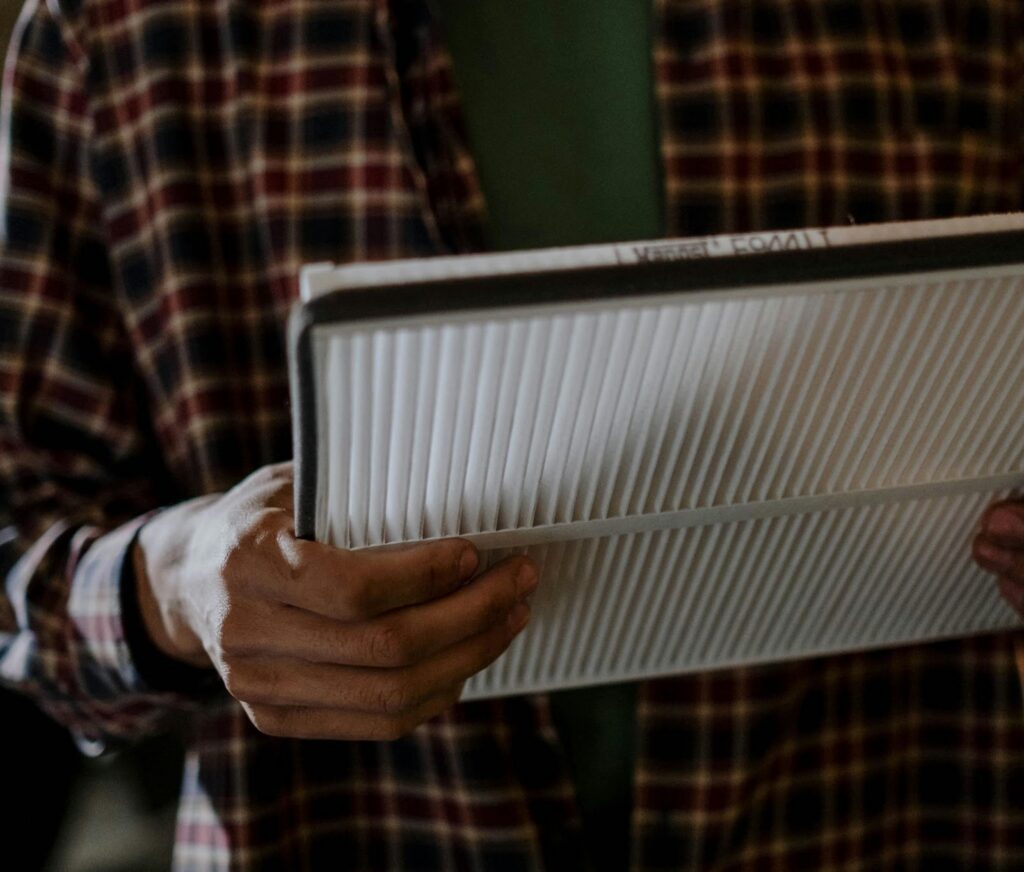
Your HVAC air filter acts as your home’s first line of defense against dust, allergens, and other airborne particles. Choosing the right filter plays a major role in maintaining indoor air quality, especially during winter when heating systems run more frequently.
Not all air filters are designed to improve air quality. Some are intended primarily to protect HVAC equipment. Understanding the differences can help you select the best air filter for your home and comfort needs.
Standard Fiberglass Filters
Fiberglass filters are basic, entry-level options that capture larger debris such as lint and dust. While they help protect your HVAC system, they do little to improve indoor air quality or capture smaller airborne particles.
Pleated Air Filters
Pleated filters offer improved filtration and are a common upgrade for homeowners. They capture smaller particles such as dust, pollen, and pet dander while still allowing proper airflow when replaced regularly. For many households, a mid-range MERV rating between 8 and 11 provides a balanced combination of filtration and system efficiency.
High-Efficiency Air Filters
High-efficiency filters with higher MERV ratings can capture finer particles, including mold spores and smaller airborne contaminants. These filters are often recommended for homes with allergy or asthma concerns. However, higher MERV filters should be selected carefully, as not all HVAC systems are designed to handle the increased airflow resistance.
Whole-Home Air Purification Systems
Whole-home air purification systems integrate directly with your HVAC system to filter and treat air throughout the entire house. These systems may include advanced filtration or additional purification technology to help reduce allergens and other indoor pollutants.
In addition to selecting the right filter type, replacing your HVAC filter regularly is essential for maintaining indoor air quality. During winter, filters may need replacement every one to three months depending on system usage, pets, and overall household conditions. AirCare Heating & Cooling helps homeowners evaluate airflow, filtration needs, and system compatibility so their heating systems support cleaner indoor air without restricting performance.
Tips to Improve Indoor Air Quality Before Spring Allergies Hit
Allergy season may not be in full swing yet, but late winter is an ideal time to prepare your home. As outdoor pollen levels begin rising in early spring, winter’s buildup of indoor dust, allergens, and dry air can compound the problem. Taking proactive steps now can help improve indoor air quality before seasonal allergies intensify, including the following practical measures:
- Replace Air Filter Regularly: Check and replace your HVAC filter every one to three months during heavy winter use. A clean filter improves airflow and helps capture dust, pollen, and other airborne particles.
- Schedule Seasonal HVAC Maintenance: Professional maintenance helps confirm that airflow, filtration, and system components are operating properly before spring demand increases.
- Use Exhaust Fans: Running kitchen and bathroom exhaust fans reduces excess moisture and helps prevent humidity-related air quality issues.
- Consider a Whole-Home Humidifier: If indoor air remains excessively dry, a whole-home humidifier can help maintain balanced humidity levels and reduce irritation caused by low moisture.
- Book a Duct Cleaning: Over time, dust and debris can accumulate inside duct systems. Having ductwork inspected ensures air is circulating as cleanly and efficiently as possible.
As you take steps to improve indoor air quality in the final weeks of winter, you are not just managing seasonal discomfort. You are preparing your home for a smoother transition into spring and creating a healthier indoor environment for the months ahead. Acting now helps reduce winter buildup and supports cleaner air before seasonal allergies intensify.
Take the Next Step Toward Cleaner Indoor Air
Indoor air quality affects comfort throughout the year, and winter conditions can make existing issues more noticeable. If you have experienced dry air, increased allergy symptoms, or lingering indoor discomfort, your HVAC system may benefit from a professional evaluation.
AirCare Heating & Cooling provides dependable heating and cooling services for homeowners in Richland and the Tri-Cities area. Our team works to identify air quality concerns and recommend practical solutions that support balanced airflow, effective filtration, and consistent home comfort. Contact our team today to speak with experienced HVAC professionals and get clear guidance for your home. We’ll help you take the first step toward cleaner, healthier indoor air.