Spring in the Tri-Cities does not ease into warm weather. One week you’re running the heat, and a few weeks later temperatures are already pushing into the 90s. For most homeowners, that shift is the reminder that a spring HVAC tune-up should have been scheduled last month.
That fast seasonal shift leaves a short window to make sure your cooling system is actually ready. An HVAC spring tune-up covers what wore down over winter, the small performance issues that go unnoticed when your AC isn’t running daily, and the components that need attention before summer demand kicks in fully.
Skipping it doesn’t always cause an immediate problem. But it does increase the chances of reduced efficiency, uneven cooling, and breakdowns during the hottest stretch of summer in Richland and the Tri-Cities. Those are the weeks when HVAC technicians are at their busiest and getting same-day service is hardest, which is exactly when you don’t want to find out your system isn’t ready.
This guide covers what homeowners can handle on their own, what a professional spring HVAC tune-up includes, and the signs that your system needs attention before the season changes.
Why Spring Is the Right Time to Service Your HVAC System
The Tri-Cities area is known for its dry heat, and summer temperatures regularly push well above 100 degrees. That kind of heat puts real demand on your cooling system, and it doesn’t ramp up gradually. It arrives fast and stays for months.
Spring is the practical window to get ahead of that. When your HVAC system transitions from heating to cooling, it’s carrying whatever wear and buildup accumulated over winter. A seasonal tune-up catches those issues while they’re still minor, before your system starts running eight to ten hours a day in peak summer heat.
Scheduling a spring HVAC tune-up before summer helps with:
- Improving cooling efficiency before peak demand
- Identifying worn components early, before they cause larger issues
- Restoring proper airflow to living spaces
- Confirming electrical connections are safe and secure
- Supporting long-term system performance and durability
Waiting until your system is already struggling in July is a harder, more expensive fix. Spring gives you options.
HVAC Spring Tune-Up Checklist for Homeowners
A spring tune-up is part professional service, part homeowner awareness. Before scheduling a technician, there are a few practical steps you can take on your own to get your system in better shape heading into the season.
☐ Check and Replace Your Air Filter
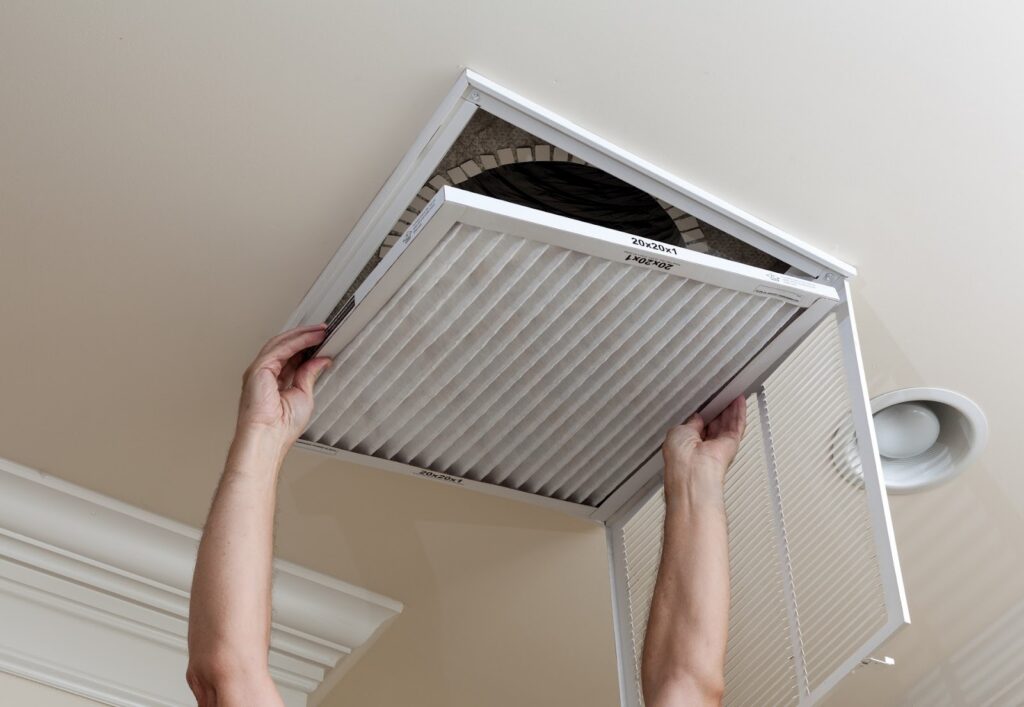
This is the single most impactful thing a homeowner can do for their HVAC system. A clogged filter forces your system to work harder, restricts airflow, and reduces cooling efficiency across the board. Check your filter every one to three months. If it looks grey, packed with dust, or visibly blocked, replace it before your system starts running daily. The difference in airflow is noticeable immediately.
☐ Clear Debris Around The Outdoor Condenser Unit
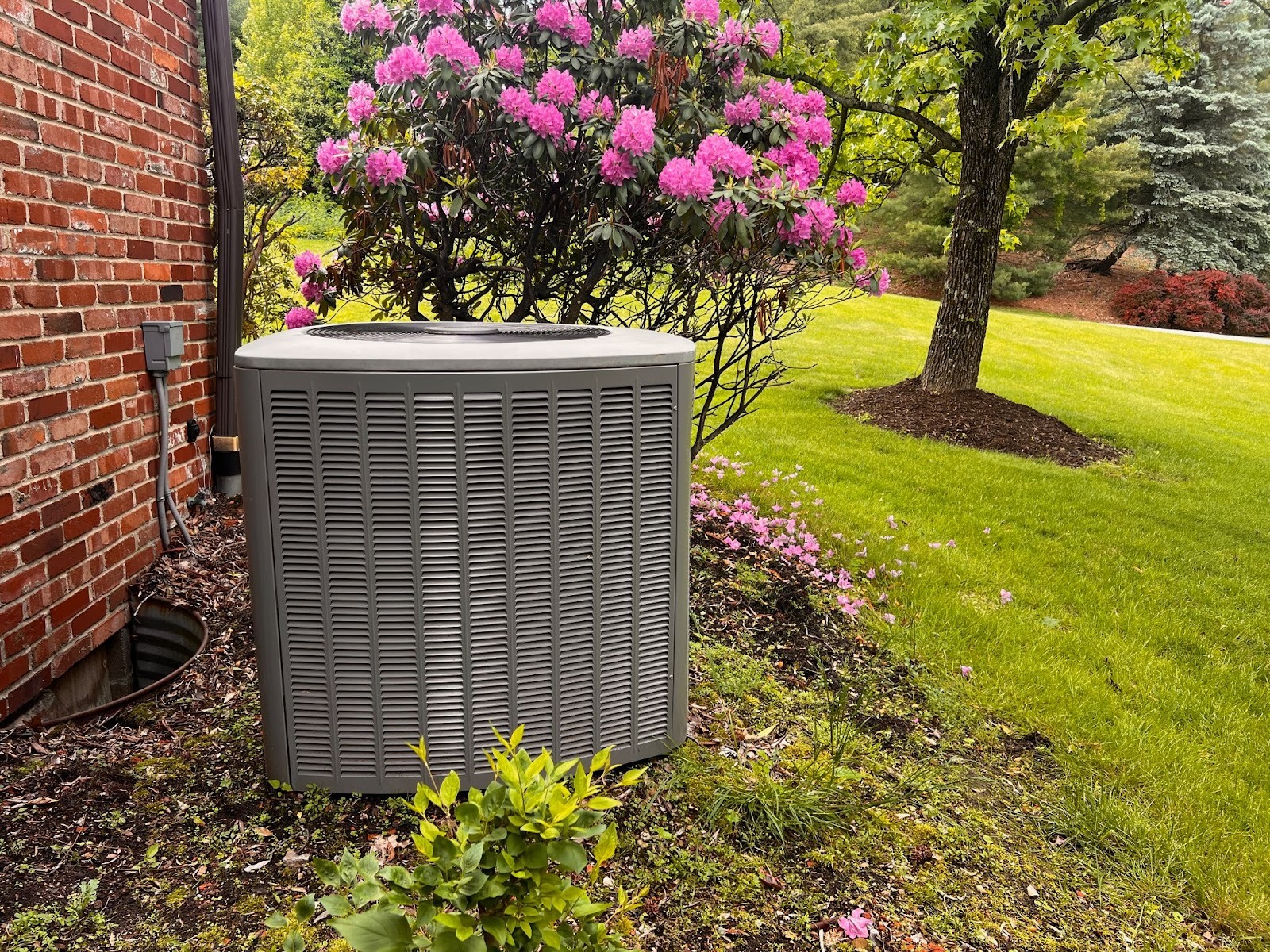
Your outdoor condenser needs open space to release heat properly. Over winter, leaves, dirt, and yard debris collect around the unit and can restrict airflow without you realizing it. Clear a two-foot perimeter around the unit and give the exterior a gentle rinse if it has visible buildup.
☐ Check Your Thermostat Settings
Spring is a natural time to switch your thermostat from heating to cooling mode and confirm everything responds correctly. If you have a smart or programmable thermostat, review your cooling schedule and make sure it reflects your actual spring and summer routine rather than leftover winter settings.
☐ Inspect Air Vents and Registers
Walk through your home and check that every vent is open and unobstructed. Furniture, rugs, and curtains are common culprits that block airflow without homeowners noticing. Closed or blocked registers force your system to compensate, which puts unnecessary strain on components and leads to uneven temperatures from room to room. This one takes five minutes and costs nothing.
These steps matter, but they cover the surface. What happens inside the system requires a professional set of eyes. If your system has not been professionally serviced in the past year, or if any of these checks reveal something that doesn’t look right, a professional HVAC spring tune-up is the right next move.
What a Professional HVAC Spring Tune-Up Includes
Homeowners can handle the surface-level steps. A professional spring HVAC tune-up covers everything underneath.
1. System Inspection and Safety Check
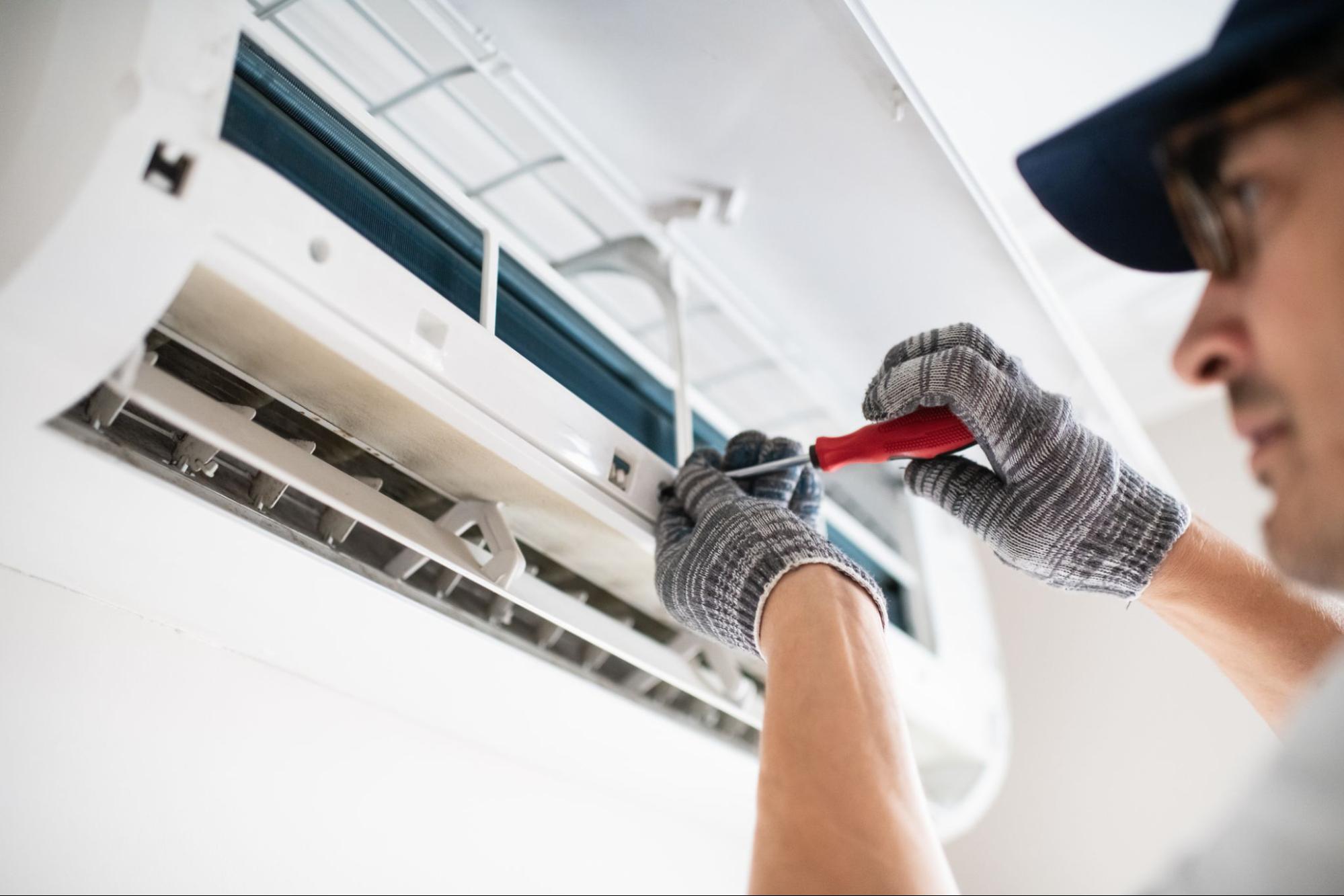
An HVAC technician starts by working through the major components: the outdoor condenser unit, the indoor evaporator coil, electrical connections, wiring, and insulation. This step isn’t just about performance. It’s about confirming the system is safe to run for extended periods. Loose wiring, worn insulation, or a deteriorating component that goes unnoticed in spring can become a real problem when your system is running ten hours a day in July.
2. Refrigerant Level Evaluation
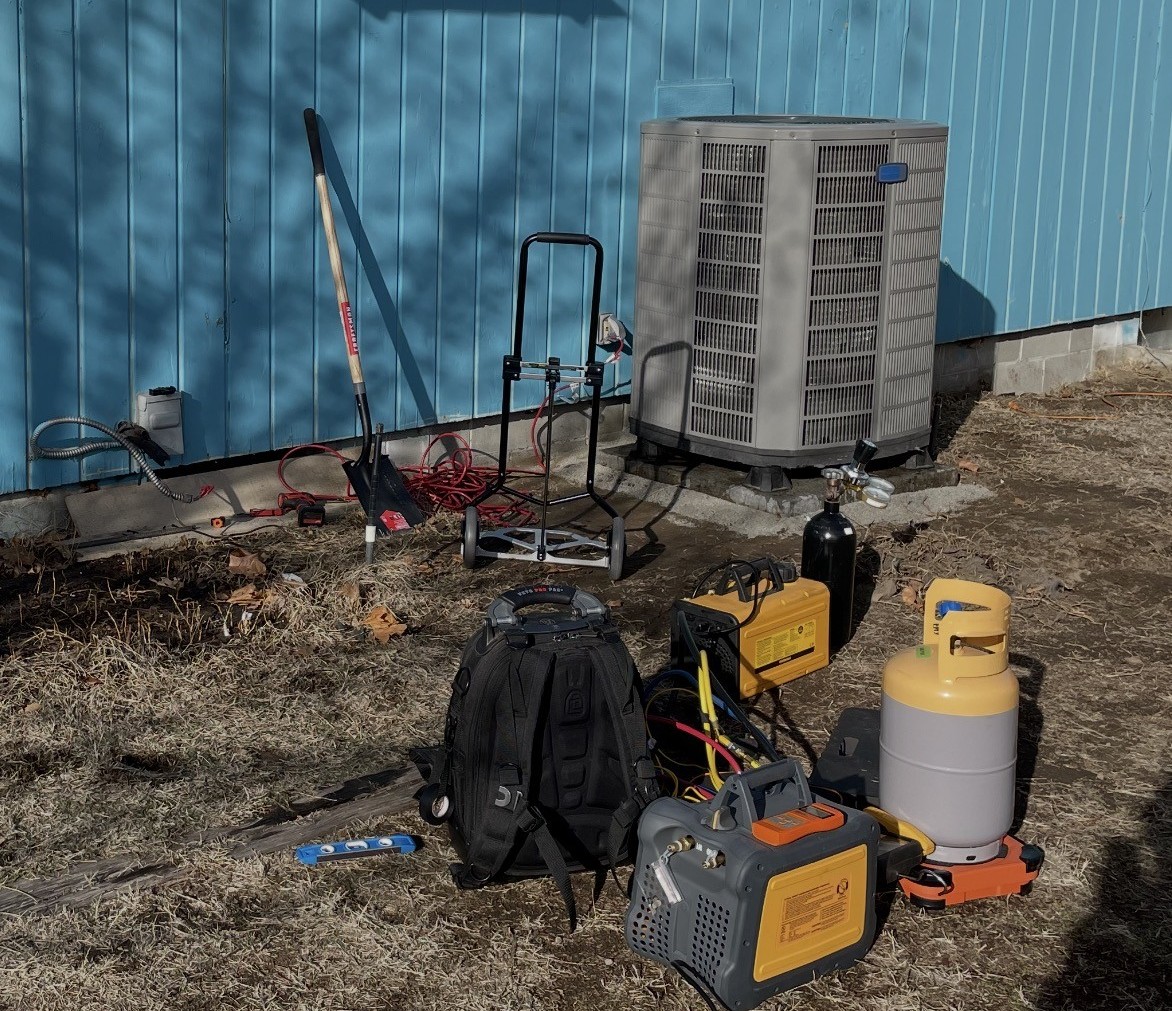
Refrigerant is what makes cooling possible. It absorbs heat from inside your home and transfers it outside, and the system depends on having the correct charge to do that efficiently. Technicians check pressure levels and inspect for leaks that could be quietly reducing your system’s output. According to the EPA, improper refrigerant levels not only reduce your home’s cooling efficiency but can cause long-term damage to your compressor, which is one of the most expensive components to replace.
3. Coil Cleaning and Airflow Optimization
Dust and debris that build up on condenser coils over winter act as insulation in the worst possible way. They trap heat that’s supposed to be released outside, forcing your system to work harder to achieve the same result. Cleaning the coils and evaluating airflow through the system restores efficiency and takes unnecessary strain off the equipment.
4. Thermostat Calibration
Quick but important. If your thermostat isn’t reading temperatures accurately, your system won’t respond correctly no matter how well everything else is working. Technicians verify calibration and confirm the thermostat is communicating properly with your cooling system.
5. Filter Review and Recommendations
Even if you replaced your filter before the visit, a technician will confirm the size, fit, and MERV rating are appropriate for your specific system. The wrong filter, even a clean one, can restrict airflow and reduce performance.
Professional service also applies to other system types. If your home uses a heat pump, a heating maintenance and tune-up service should be part of your seasonal routine as well, since heat pumps handle both heating and cooling and benefit from inspection on both ends of the season.
Signs Your Air Conditioner May Need a Spring Tune-Up
Most air conditioners show signs of trouble before a larger problem develops, and knowing what to look for makes it easier to decide when to call a professional.
Watch for these common indicators that your system needs attention before summer:
- Warm or Weak Airflow from Vents: If your system is running but air feels warmer than it should or barely moves through the registers, something is restricting performance. This could point to a clogged filter, a refrigerant issue, or a problem with the blower.
- Unusual Noises During Operation: Rattling, banging, humming, or grinding sounds are not normal. They often indicate a loose component, worn motor bearing, or debris inside the system that needs to be cleared.
- Longer Run Times to Reach Temperature: If your system is running significantly longer than usual to cool your home, it’s working harder than it should. That extra strain leads to higher energy bills and accelerated wear on components.
- Higher Energy Bills Without a Clear Cause: A sudden increase in your utility costs during mild spring weather can signal that your system is losing efficiency, even if it appears to be running normally.
- Frequent Cycling On and Off: Short cycling, where your system turns on and off in rapid intervals, can point to a refrigerant issue, an oversized system, or a thermostat that isn’t reading temperatures correctly.
None of these signs automatically mean your system needs a major repair. In many cases, a professional HVAC spring tune-up is enough to identify the root cause and correct it before it develops into something larger. A technician can evaluate airflow, check refrigerant levels, inspect electrical connections, and confirm that every component is operating the way it should.
If your system showed any of these signs last summer, or if it hasn’t been serviced in the past year, scheduling an AC maintenance and tune-up is the straightforward next step.
How Consistent Spring Maintenance Affects Your System Over Time
A single spring HVAC tune-up is useful. Consistent annual maintenance is what actually protects your investment. HVAC systems are built to last, but lifespan depends heavily on how well they’re maintained. A system that gets regular seasonal service will consistently outlast one that only gets attention when something breaks, and for a unit that costs several thousand dollars to replace, that difference matters. Energy efficiency follows the same pattern. A well-maintained system reaches your set temperature faster, runs shorter cycles, and costs less to operate across a full Tri-Cities summer where cooling demand runs hard for four to five months straight.
Deferred maintenance is where small problems become expensive ones. A worn capacitor, a refrigerant leak, or a dirty coil is a minor repair when caught early and a potential system failure when it isn’t.
Homeowners who schedule a spring HVAC tune-up consistently tend to deal with fewer surprises, lower repair costs, and more reliable comfort season after season. It’s one of the more straightforward, higher-return maintenance habits you can build as a homeowner. And in a climate like the Tri-Cities, where your cooling system carries the load for months at a time, staying ahead of that maintenance schedule is just the smarter way to manage it.
HVAC Spring Tune-Up FAQs
How often should you schedule an HVAC tune-up?
Once a year is the standard recommendation, and spring is the most practical time for cooling systems. Many homeowners also schedule a second visit before winter to cover their heating system. Staying on that twice-yearly rhythm keeps both sides of your HVAC system in better shape year-round.
Can I do a spring tune-up on my HVAC system myself?
Partially. Homeowners can handle filter replacements, condenser cleaning, vent checks, and basic thermostat adjustments, and those steps do make a difference. But a professional spring HVAC tune-up covers refrigerant levels, electrical connections, coil cleaning, and component wear that require proper tools and training to evaluate accurately.
How long does a professional HVAC spring tune-up take?
Most spring HVAC tune-ups take about 60 to 90 minutes, depending on your home’s system type and current condition. This allows enough time for technicians to inspect, clean, and conduct performance testing.
What happens if I skip the spring tune-up?
Your system may run fine, at least at first. But without a seasonal inspection, small issues like low refrigerant, a dirty coil, or a worn electrical connection continue building stress on the system. By the time those problems show up as reduced cooling or a breakdown, you’re usually dealing with a more expensive repair during the busiest stretch of summer when scheduling is hardest.
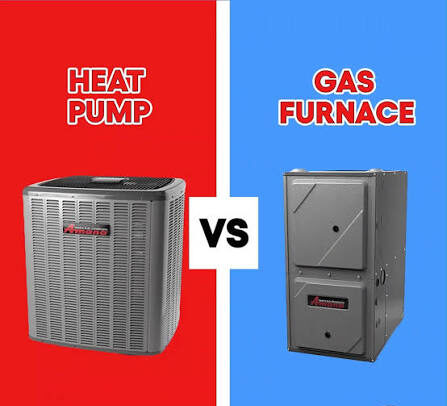
Is a spring tune-up different for a heat pump vs. a furnace and AC?
Yes. A heat pump handles both heating and cooling, so it benefits from inspection on both ends of the season rather than just in spring. A furnace and central AC system can be serviced separately, with spring focused on the cooling side only.
How often should you schedule an HVAC tune-up?
Once a year is the standard recommendation, and spring is the most practical time for cooling systems. Many homeowners also schedule a second visit before winter to cover their heating system. Staying on that twice-yearly rhythm keeps both sides of your HVAC system in better shape year-round.
Can I do a spring tune-up on my HVAC system myself?
Partially. Homeowners can handle filter replacements, condenser cleaning, vent checks, and basic thermostat adjustments, and those steps do make a difference. But a professional spring HVAC tune-up covers refrigerant levels, electrical connections, coil cleaning, and component wear that require proper tools and training to evaluate accurately.
How long does a professional HVAC spring tune-up take?
Most spring HVAC tune-ups take about 60 to 90 minutes, depending on your home’s system type and current condition. This allows enough time for technicians to inspect, clean, and conduct performance testing.
What happens if I skip the spring tune-up?
Your system may run fine, at least at first. But without a seasonal inspection, small issues like low refrigerant, a dirty coil, or a worn electrical connection continue building stress on the system. By the time those problems show up as reduced cooling or a breakdown, you’re usually dealing with a more expensive repair during the busiest stretch of summer when scheduling is hardest.
Is a spring tune-up different for a heat pump vs. a furnace and AC?
Yes. A heat pump handles both heating and cooling, so it benefits from inspection on both ends of the season rather than just in spring. A furnace and central AC system can be serviced separately, with spring focused on the cooling side only.
Schedule Your HVAC Spring Tune-Up in Richland and the Tri-Cities
Spring fills up fast, and so do service schedules. If your cooling system hasn’t been inspected in the past year, now is the right time to get it handled before summer demand makes scheduling harder and slower.
AirCare Heating & Cooling serves homeowners throughout Richland, Kennewick, Pasco, and West Richland with dependable HVAC service focused on real system performance, not upselling. Contact our team to schedule your spring tune-up and head into summer with a system that’s already been checked, cleaned, and cleared to run.