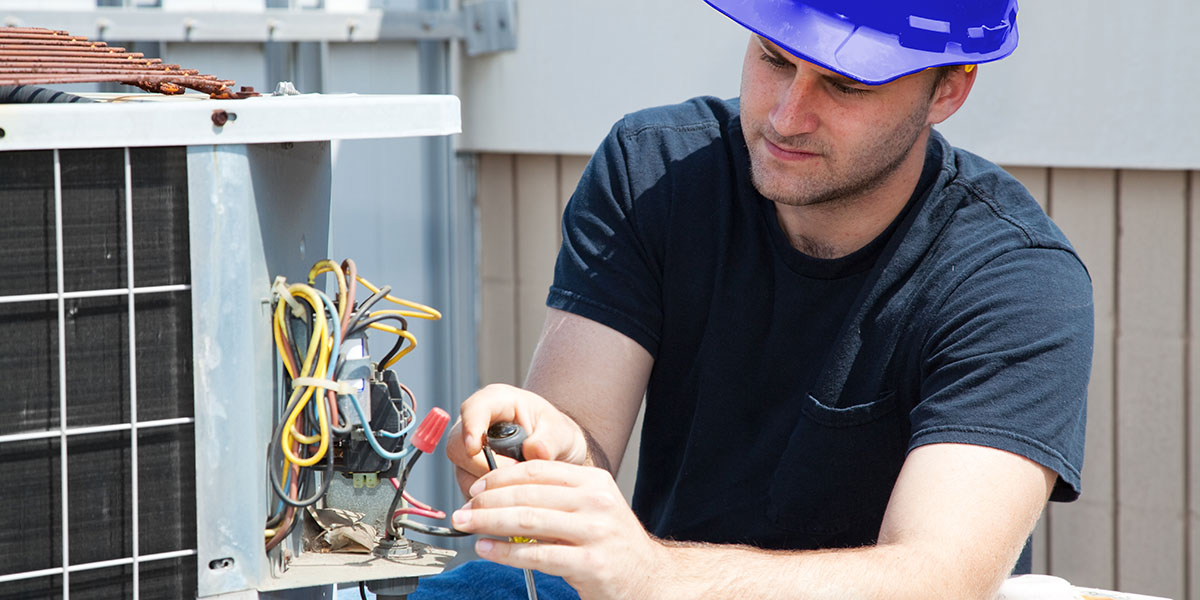
If you’re asking, “why is my heater running constantly this winter?” you’re not alone. Many homeowners notice their system running longer than expected once colder temperatures settle in, and it can start to feel like it never shuts off. In many cases, extended heating cycles are simply the result of freezing outdoor air and steady heat loss. Your system has to work harder and longer to maintain the temperature you set.
At the same time, a heater that seems to run nonstop can sometimes point to airflow restrictions, thermostat settings, insulation gaps, or normal equipment wear. The key is understanding the difference between a system that is doing its job during a cold stretch and one that is signaling a performance issue. When you know what affects heating run time, you can make smarter decisions about comfort, efficiency, and whether professional heating repair is necessary.
When It’s Normal for Your Heater to Run Constantly in Winter
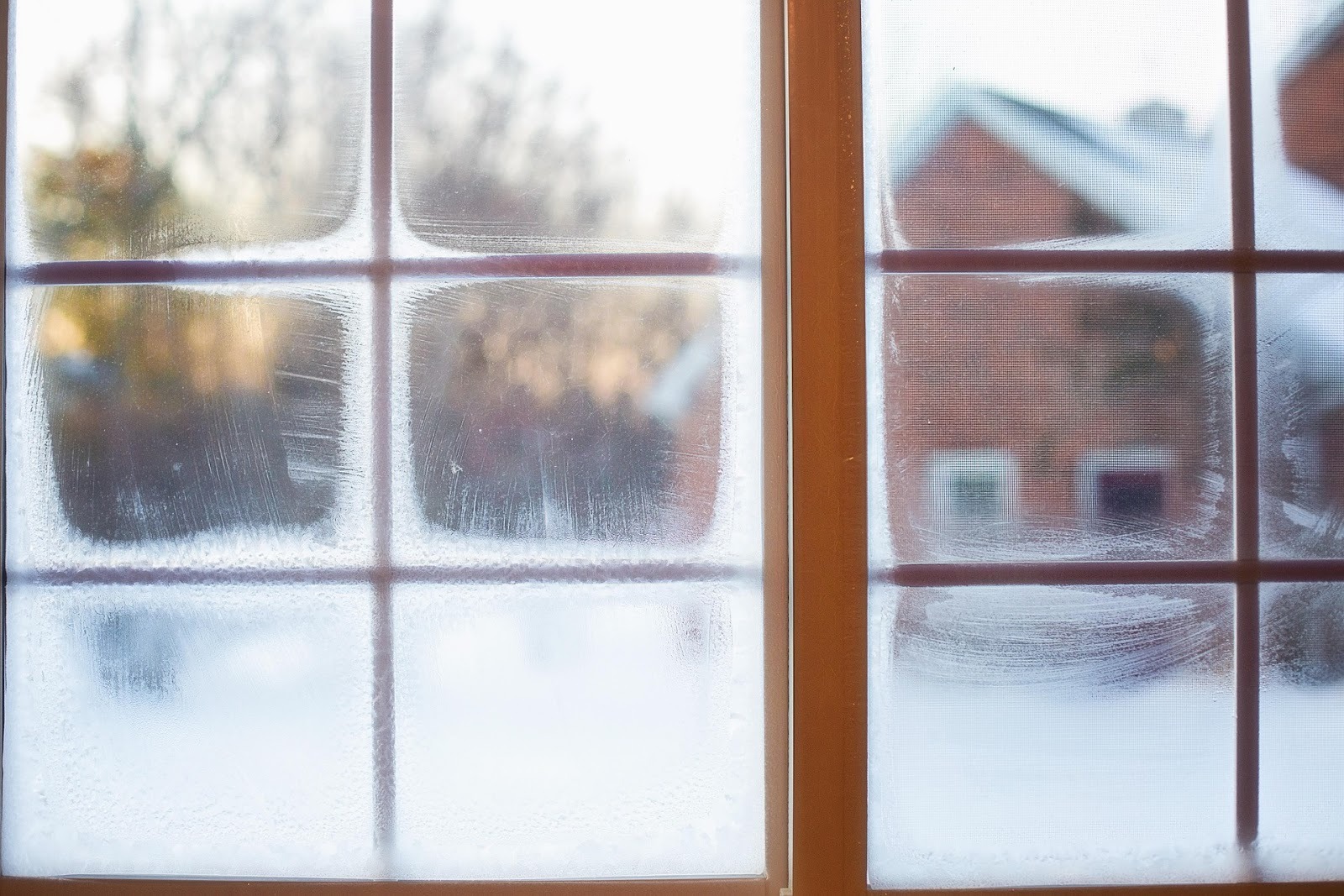
When temperatures drop for extended periods, it is normal for your heater to run constantly for longer stretches throughout the day and night. As outdoor air stays cold, your home loses heat more quickly, especially through windows, attics, exterior walls, and other vulnerable areas. To maintain the temperature set on your thermostat, your heating system may need longer and more frequent cycles than it does during mild weather.
You may notice your heater running nonstop overnight or during a prolonged cold snap. If the system still reaches the set temperature, produces steady warm air, and cycles off occasionally, that extended run time is often part of normal winter operation rather than a malfunction.
Knowing what typical winter performance looks like makes it much easier to recognize when something is truly wrong.
What Causes a Heater to Run Longer Than Usual?
There is rarely a single reason why your heater keeps running longer than expected. In most cases, several small factors combine to increase heating run time. Understanding these common causes can help you determine whether your system is responding to cold weather or working harder than it should.
Extended Cold Temperatures
When outdoor temperatures remain low throughout the day and night, your heater has fewer opportunities to cycle off. Recovering from overnight temperature drops can take longer, especially in homes that lose heat quickly or have minimal insulation.
Thermostat Settings and Programming
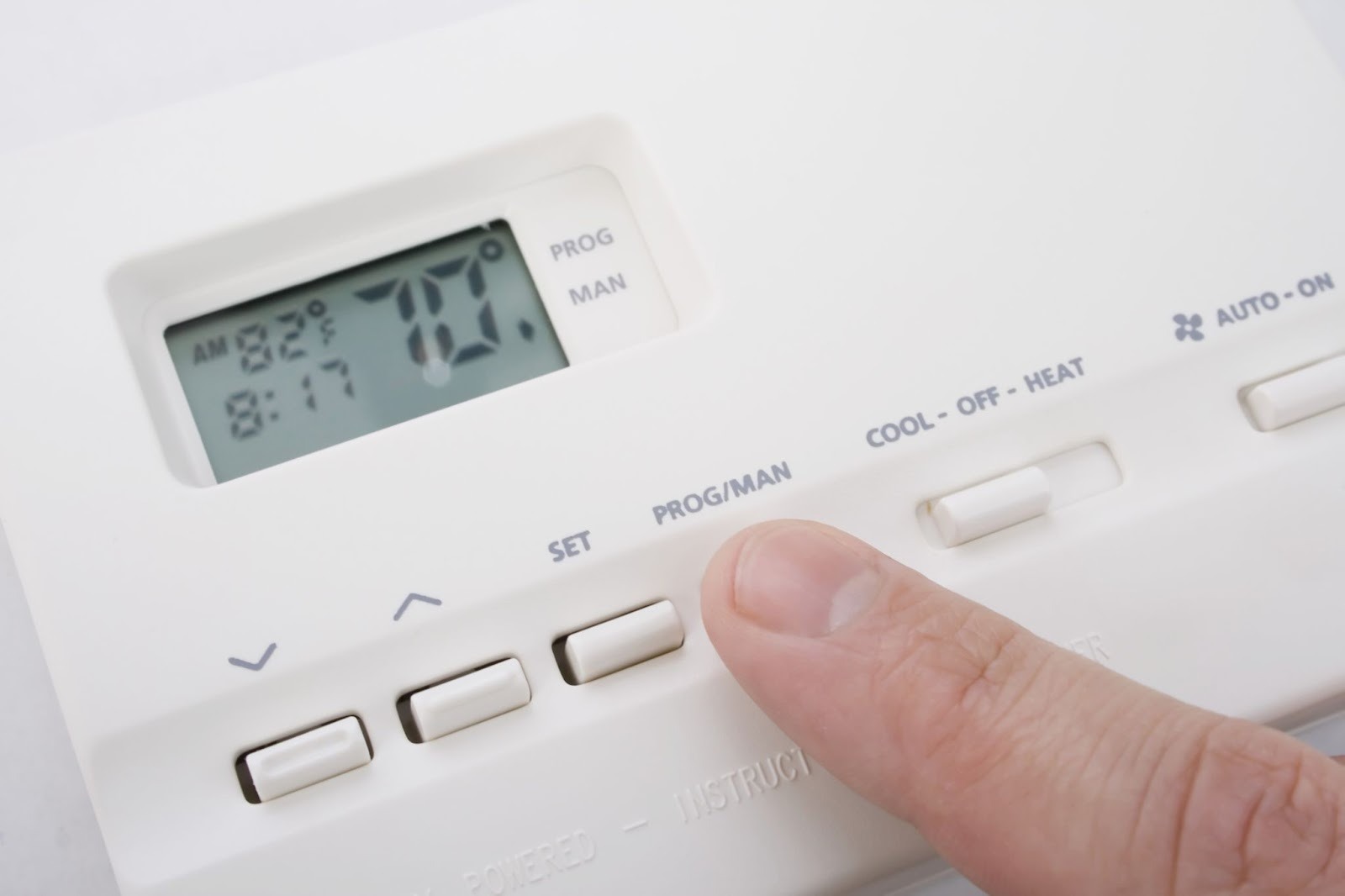
Thermostat configuration plays a major role in how often your heater runs, and outdated controls may benefit from expert thermostat installation and programming. A fan set to “on” instead of “auto” keeps air circulating continuously, which can make it seem like the system never shuts off. Large temperature setbacks can also create extended recovery cycles, causing the heater to run nonstop while trying to reach the desired setting.
Dirty or Clogged Air Filters
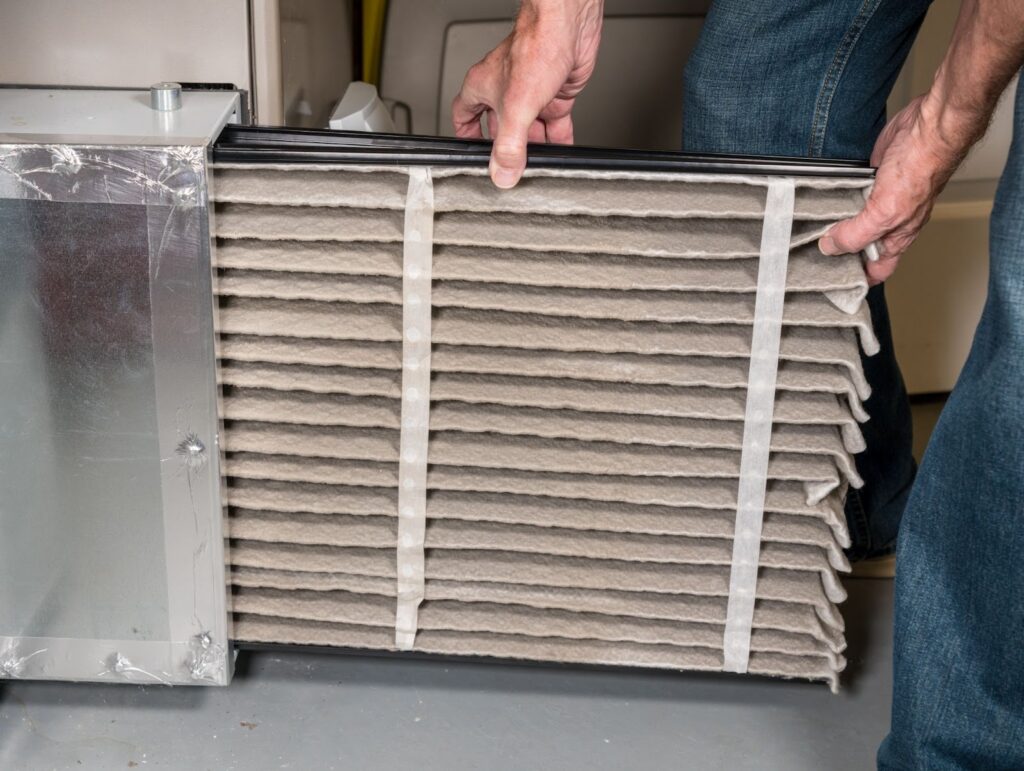
Air filters collect dust and debris more quickly during winter months. When airflow becomes restricted, your heating system must work harder and longer to distribute warm air evenly. Reduced airflow is one of the most common reasons a heater appears to be running constantly.
Insulation Issues and Air Leaks
Heat escaping through attics, windows, doors, and unsealed areas forces your system to compensate. The more heat your home loses, the longer your heater will run to maintain indoor comfort.
Aging or Undersized Heating Equipment
As heating systems age, efficiency gradually declines. If a system is undersized for the home, it may struggle during colder weather and run nearly nonstop to keep up with demand.
When several of these conditions overlap, it can start to feel like your heater never shuts off at all, which is when many homeowners begin to question whether something more serious is going on and whether emergency heating services are needed.
How Thermostat Settings Affect How Long Your Heater Runs
Your thermostat does more than control temperature. It directly affects how often your heater turns on, how long it runs, and whether it seems like it never shuts off.
Keeping a steady setting during winter usually leads to shorter and more consistent heating cycles. Large temperature setbacks or frequent manual adjustments force your system to work harder to recover, which can make your heater run constantly while it tries to catch up. Even something as simple as switching the fan from “auto” to “on” can create the impression that the heater is running nonstop. Smart thermostats can improve efficiency and comfort, but only when they are properly programmed and calibrated for your home.
Before assuming your heating system has a mechanical problem, take a moment to review your thermostat settings.
Constant Running vs a Real Problem: How to Tell the Difference
Not every heater that runs constantly is broken. The key is knowing how your system behaves and recognizing when longer cycles shift from normal winter operation to a performance concern.
Signs Extended Run Time Is Likely Normal
Your heater may simply be responding to cold weather if it:
- Reaches the temperature set on the thermostat
- Cycles off occasionally, even if it runs for long stretches
- Produces steady, consistently warm air
- Maintains even comfort throughout the home
Longer heating cycles alone do not automatically signal a malfunction.
Signs It’s Time to Call a Heating Professional
You may be dealing with a system problem if your heater:
- Never shuts off at all
- Struggles to reach the thermostat setting
- Produces lukewarm or cool air
- Heats some rooms but leaves others noticeably colder
- Causes a sudden spike in energy bills
When your heater runs nonstop and comfort still feels inconsistent, that is usually a sign something needs attention.
Addressing small issues early often prevents major repairs during peak winter demand.
Mid Winter Preventive Maintenance Checklist
A heater that runs constantly during winter works harder than it does at any other time of year. A few mid season checks can help reduce unnecessary strain and keep your system running efficiently through the coldest weeks.
Start with these simple steps:
- Replace or clean your air filter if it looks dirty
- Confirm the thermostat is set to “auto” and holding a steady temperature
- Check thermostat batteries if the display seems dim or unresponsive
- Make sure all vents and registers are open and not blocked by furniture
- Listen for new rattling, buzzing, or grinding sounds
- Pay attention to rooms that feel colder than the rest of the house
If your heater has not been professionally inspected this season, scheduling a heating checkup can catch airflow problems, worn components, or calibration issues before they lead to a breakdown.
Small mid winter adjustments often prevent bigger heating problems later.
When Professional Heating Service Makes Sense
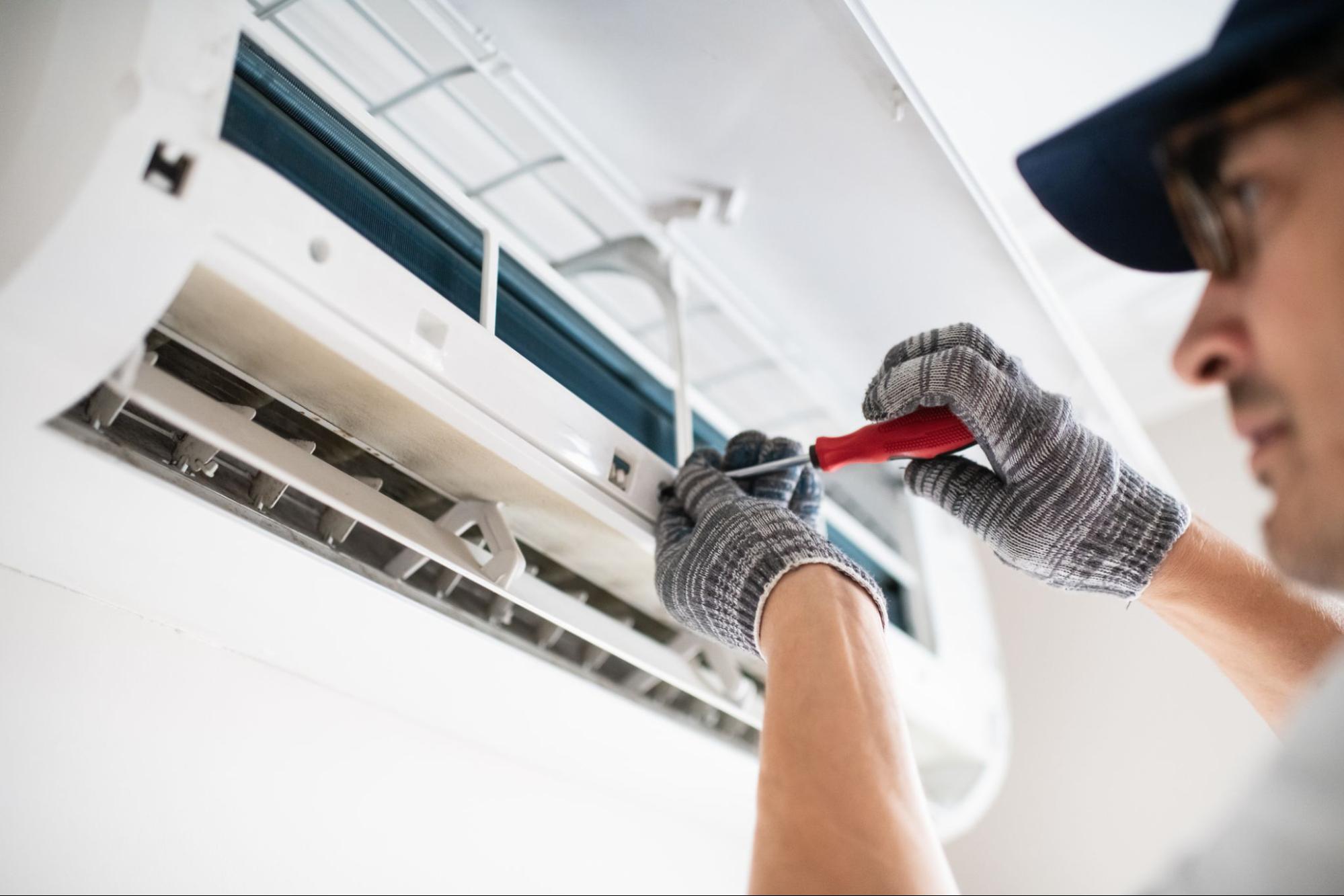
If your heater continues running constantly even after you have replaced the air filter and confirmed your thermostat settings, a professional inspection is a smart next step. Persistent extended run time often points to underlying issues that are not visible from the outside, such as airflow imbalances, duct leakage, sensor miscalibration, worn components, or system capacity concerns. A trained technician can evaluate how your heating system is operating as a whole rather than focusing on just one part.
Professional service is especially important if comfort levels are inconsistent or energy bills are climbing without a clear reason. Mid winter inspections can uncover small performance issues before they turn into full system failures. Addressing problems early typically leads to faster repairs, fewer emergency situations, and a heating system that runs more efficiently for the remainder of the season.
Need Help With a Heater That Won’t Shut Off?
A heater that runs constantly during winter can sometimes be normal, but ongoing performance issues should never be ignored. Knowing the difference between extended heating cycles and a system problem protects both your comfort and the life of your equipment.
If your heater will not shut off, struggles to maintain temperature, or leaves parts of your home feeling cold, it is time to have it evaluated. AirCare Heating & Cooling provides professional heating repair and emergency heating services in Richland, Kennewick, West Richland, and nearby Tri Cities communities. Our team will identify the root cause, explain your options clearly, and help restore reliable comfort to your home.
Contact our team to schedule your heating service today and get your system back on track.